Dominican cigars usually lean smoother, creamier, and more aromatic. Nicaraguan cigars usually lean fuller, earthier, spicier, and more intense. That is the simple answer. The better answer is that each country has its own tobacco regions, history, blending habits, and benchmark cigars. Once you understand those differences, you stop buying cigars by label and start buying them by purpose.
For this article we are comparing the two dominant New World cigar styles in the modern American premium market. Honduras deserves its own guide, and pretending otherwise would be lazy.
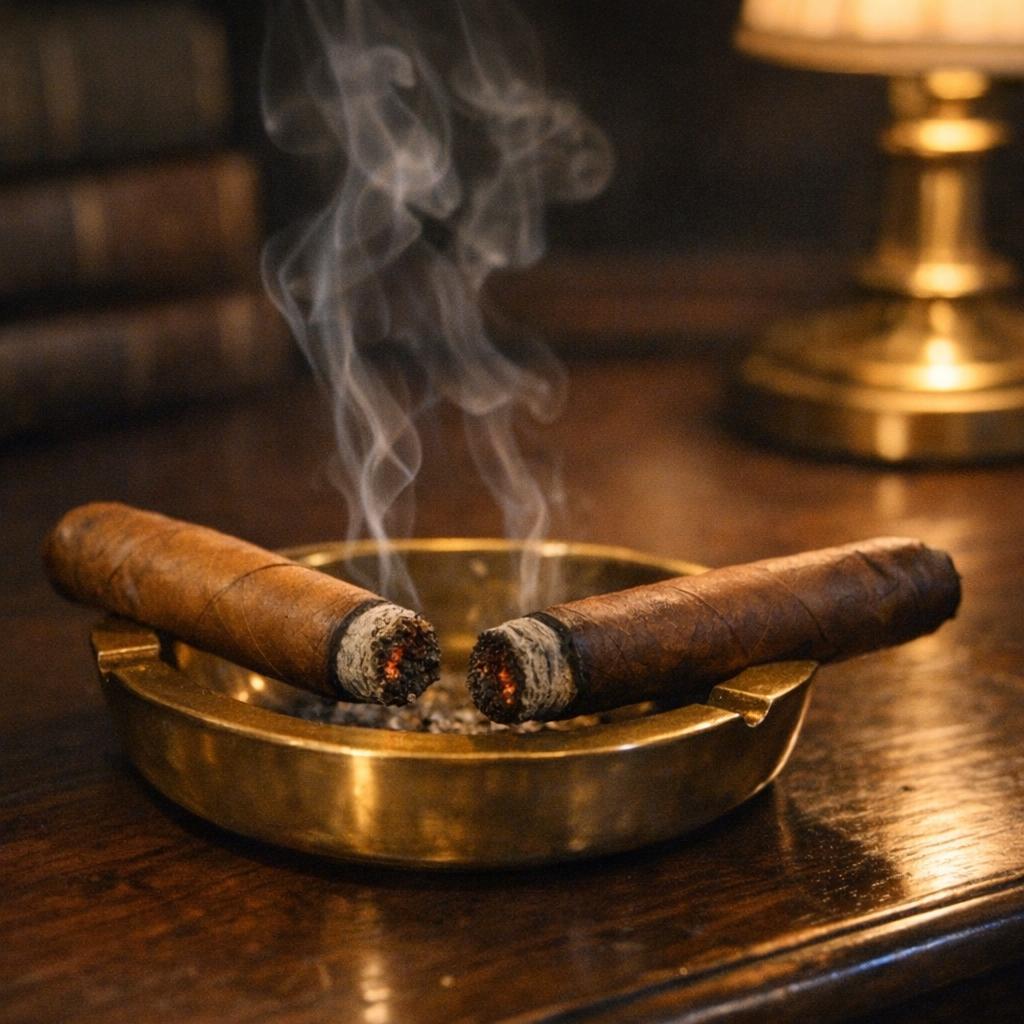
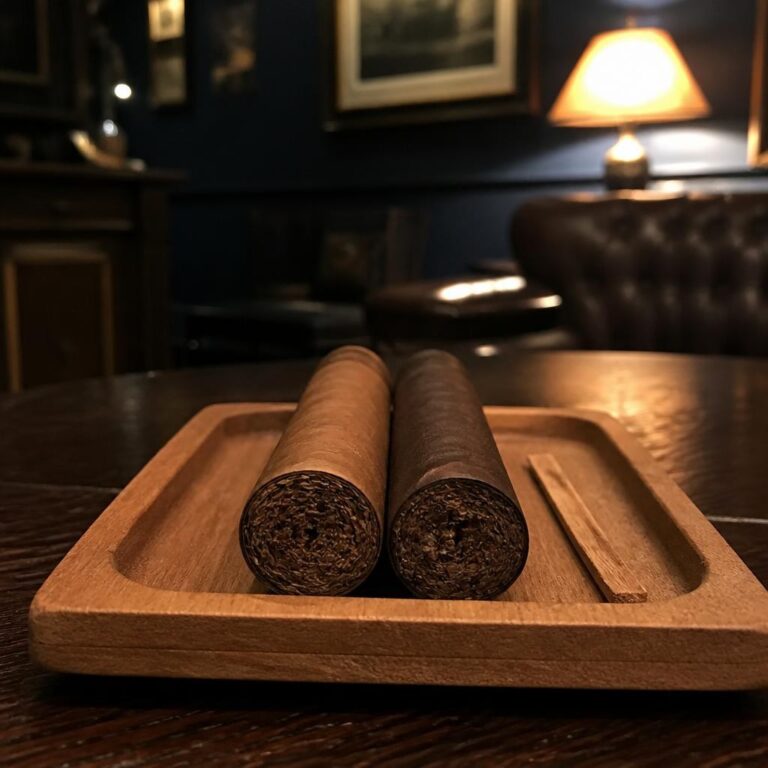
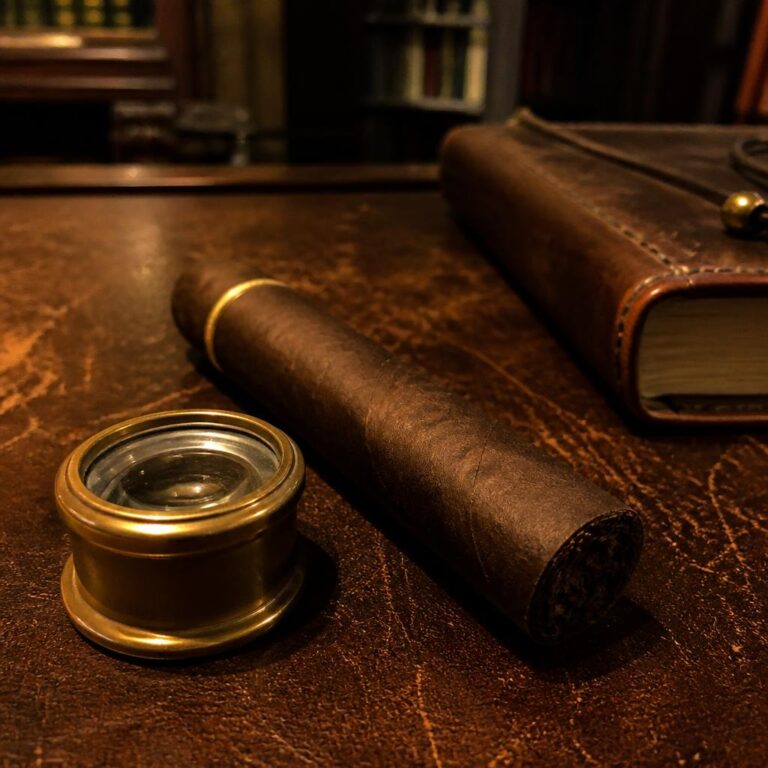
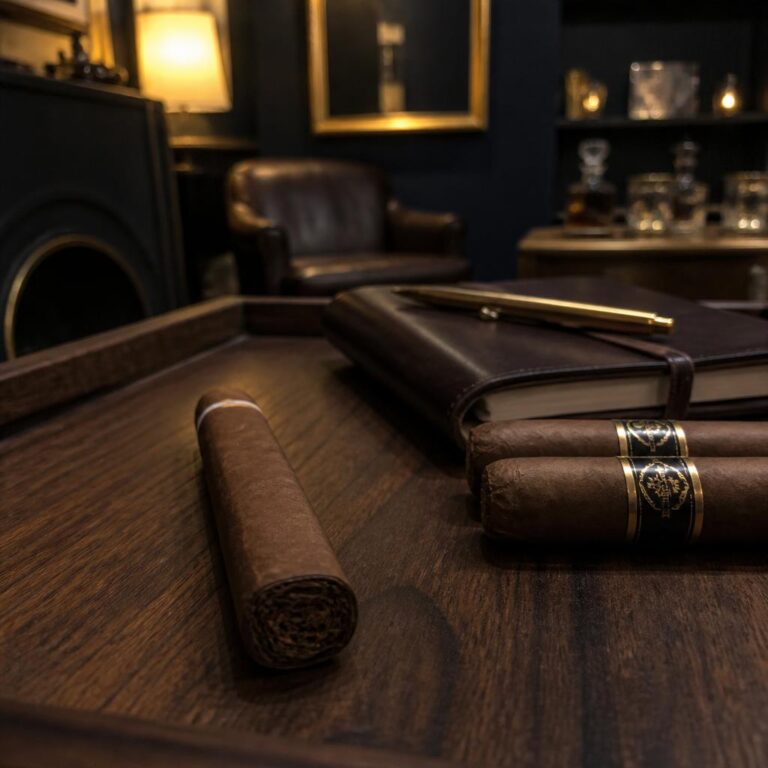
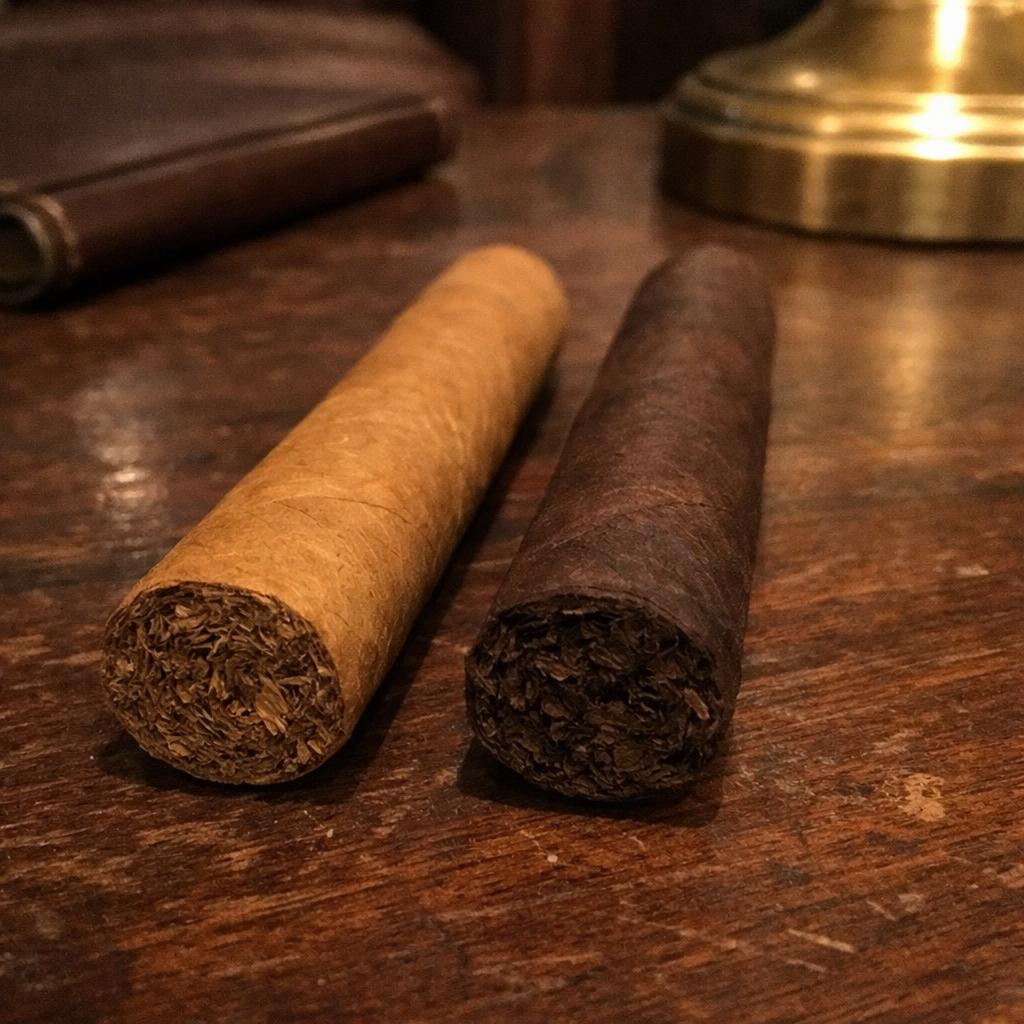
Two cigars sit on my desk this evening, one from each country. Both are Robustos, both are within a pound or two of one another at retail, both come from rollers I trust. One was made in the Dominican Republic, in a workshop that has been turning out cigars since the year my great-uncle was born. The other was rolled in Estelí, in a building that was rebuilt after the revolutionaries burned the previous one to the ground. Lit at the same moment, they will not taste the same. They will not even taste like cousins. They will taste like different ideas of what a cigar is for.
This is the conversation that absorbs more enthusiast hours than any other, and rightly so. Cuba aside, the two great schools of premium cigar today are Dominican and Nicaraguan, and they are not interchangeable. Origin is not a label on a box; it is a long argument about soil, climate, history, and how a maker thinks about what tobacco ought to do in your mouth. A reader who can hold the differences in mind picks better cigars more often.
Dominican vs Nicaraguan at a Glance
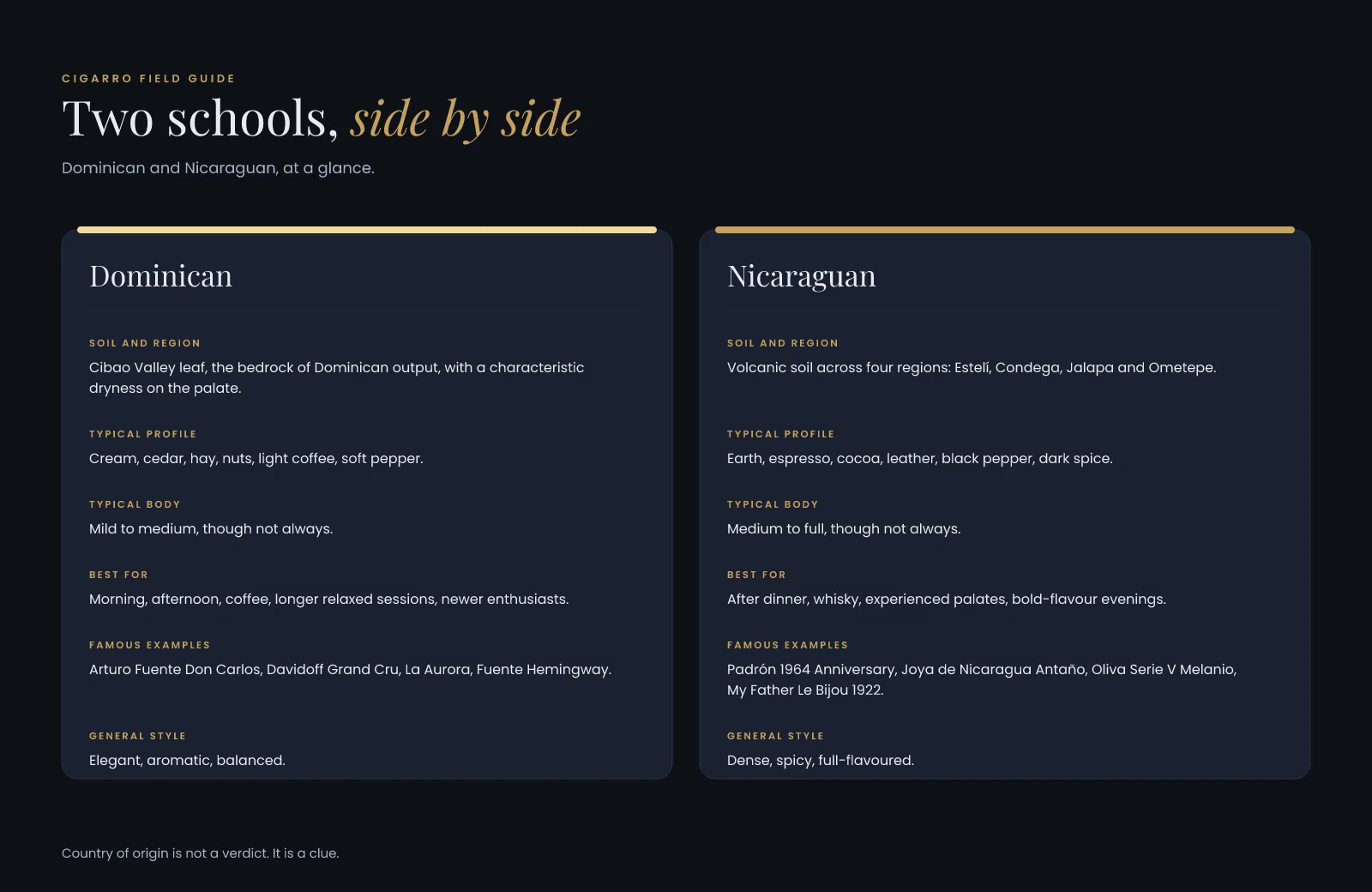
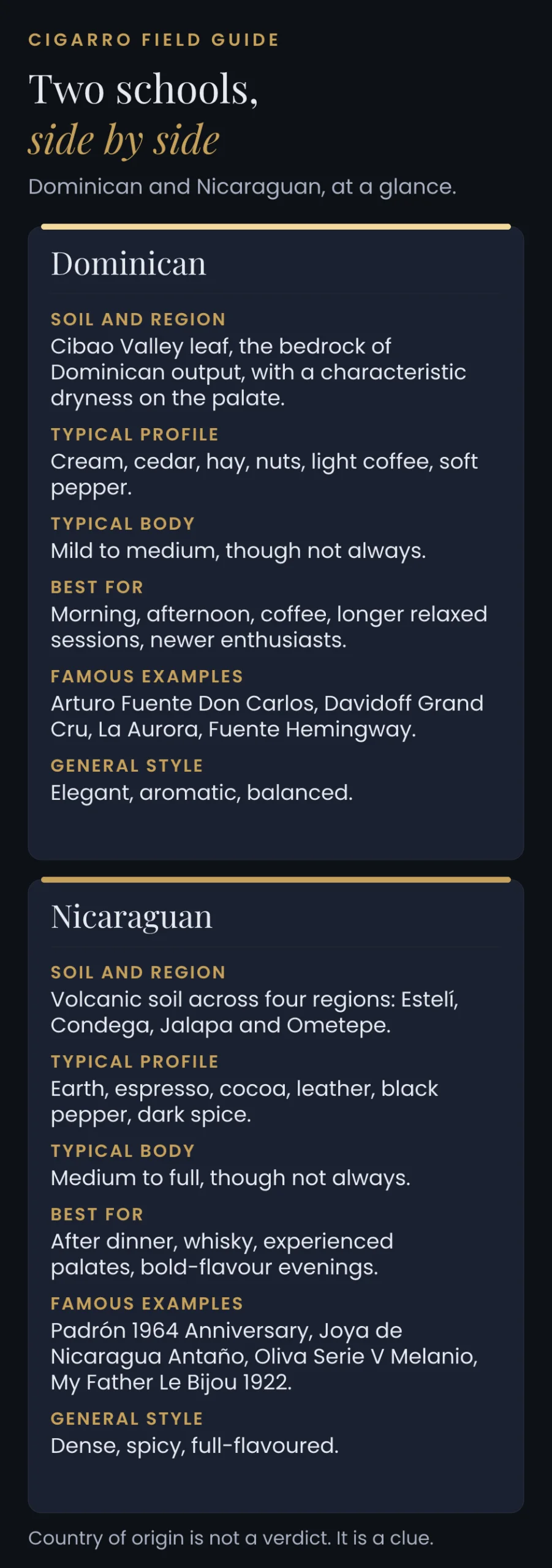
The quick answer, before the long one. Two columns, two schools, the differences that matter most.
| Dominican | Nicaraguan |
|---|---|
| Typical profile. Cream, cedar, hay, nuts, light coffee, soft pepper. | Typical profile. Earth, espresso, cocoa, leather, black pepper, dark spice. |
| Typical body. Mild to medium, though not always. | Typical body. Medium to full, though not always. |
| Best for. Morning, afternoon, coffee, longer relaxed sessions, newer enthusiasts. | Best for. After dinner, whisky, experienced palates, bold-flavour evenings. |
| Famous examples. Arturo Fuente Don Carlos, Davidoff Grand Cru, La Aurora, Fuente Hemingway. | Famous examples. Padrón 1964 Anniversary, Joya de Nicaragua Antaño, Oliva Serie V Melanio, My Father Le Bijou 1922. |
| General style. Elegant, aromatic, balanced. | General style. Dense, spicy, full-flavoured. |
Country of origin is not a verdict. It is a clue.
Why Origin Owns So Much
A wine drinker would not be surprised by the proposition that a Burgundy and a Napa Cabernet, made from Pinot and Cabernet respectively, taste different because of where they were grown. The grape matters; the place matters; the human hand matters. Cigars work on the same principle and most readers are slower to apply it.
Tobacco is a plant. It absorbs the soil it is grown in, the rainfall that arrives, the sun that finds it through whatever cheesecloth canopy the farmer chose to shade it under. The leaf you smoke at the end is the slow accumulation of all those inputs. Two leaves of the same varietal, planted in different countries, will smoke differently when they are dry. The word for this in wine is terroir; the word for it in cigars is also terroir, and it works in essentially the same way.
The catch is that a cigar is rarely the work of a single field. A blend mixes filler from one country with binder from another and a wrapper from a third, and the maker’s job is to balance those voices into something coherent. What a “Dominican cigar” or a “Nicaraguan cigar” usually means in practice is that the centre of gravity, the long filler that does most of the talking, comes from that country. The wrapper might come from elsewhere; the binder probably does. Origin in cigars is a question of weight, not of paperwork.
A puro, a cigar made entirely from one country’s tobacco, gives you the cleanest possible read on what that country tastes like. The Padrón 1964 Anniversary Series, returned to in a moment, is a Nicaraguan puro. The Davidoff Aniversario, also returned to in a moment, is a Dominican blend that leans heavily on Dominican filler. Use these as reference points. Once you know what each country tastes like at its most distilled, blends with mixed origin start to make sense, and learning how to taste a cigar with method becomes considerably easier.
Made In vs Grown In
This is the most useful thing to learn early. Many readers assume a Dominican cigar must be entirely Dominican tobacco, or that a Nicaraguan cigar is a Nicaraguan puro by default. Both assumptions are usually wrong, and that is not a defect in the labelling; it is the nature of premium cigar blending.
What “Dominican cigar” usually means
- Made in the Dominican Republic.
- Often built around Dominican filler.
- May use Cameroon, Ecuadorian, Connecticut, Mexican, Brazilian, or Nicaraguan wrapper.
- Not always a Dominican puro.
What “Nicaraguan cigar” usually means
- Made in Nicaragua.
- Often built around Nicaraguan filler from Estelí, Jalapa, Condega, or Ometepe.
- More likely to appear as a puro because Nicaragua has strong tobacco diversity across regions.
- Wrappers are still frequently Ecuadorian, Mexican, or otherwise.
Origin tells you where the cigar was rolled, and gives you a strong hint about the long filler that does most of the talking. It does not tell you the wrapper or the binder. The blender still decides the cigar. Country of origin is a clue, not a verdict. For a deeper look at what that outer leaf contributes, see Cigar Wrapper Types Explained: From Connecticut Shade to Oscuro.
The Dominican Story
The Dominican cigar industry as we know it today is younger than most readers expect. The Cibao Valley has been growing tobacco for cigarettes and small cigars for several centuries, but premium cigar production at scale is essentially a post-1970s phenomenon. The story turns on three dates and a road accident.
In 1967, a Cuban tobacco man named Carlos Toraño Sr. brought Cuban seeds to the Dominican Republic, planted them in the Cibao, and began the slow work of teaching local growers how to handle the leaf for handmade cigars rather than for cigarettes. In 1974, a free-trade zone opened in Santiago, and Manufactura de Tabacos S.A., known as MATASA, soon became one of its first important cigar factories, founded by two Cubans, Juan Sosa and Manuel Quesada. Through the late 1970s and into the 1980s, Cuban exiles who had landed in Miami after Castro’s revolution began moving south, weary of Florida labour costs, looking for a place that grew tobacco and worked with their hands. Many landed in Santiago.
The road accident, as far as the wider industry was concerned, was the Nicaraguan Sandinista revolution of 1979. Among other things, it ended Arturo Fuente’s run in Estelí. Carlos Fuente Sr. and his son found their footing in the Dominican Republic and rebuilt. The Don Carlos and Hemingway lines, both now Dominican classics, were originally Nicaraguan ideas; they survived the move.
According to 2025 United States premium cigar import data, the Dominican Republic remains the second-largest source of handmade premium cigars, shipping 93.7 million cigars to the American market. Nicaragua leads at 258.4 million; Honduras is in third at 74.5 million. Cibao Valley tobacco is the bedrock of the Dominican Republic’s output; the Yaque sub-valley is to the Dominican Republic what the Vuelta Abajo is to Cuba. Several of the world’s most famous cigar families live within a short drive of Santiago. La Aurora, the oldest Dominican cigar company, has been making cigars in the same family since 1903 and has watched all of this happen without once changing hands outside the León family.
The Nicaraguan Rise
Nicaragua’s story is shorter, more violent, and considerably more recent in its commercial form. Joya de Nicaragua, the country’s first premium cigar brand, was founded in 1968 in downtown Estelí. By 1971 it had been declared the official cigar of the White House. By 1979 the country was at civil war, the Joya factory had been burned during the unrest, and by 1985 the United States had imposed a trade embargo on the country that would not lift until 1990. For a decade Nicaraguan cigar makers either fled the country, sold into Europe instead, or waited.
The recovery began in the 1990s and accelerated through the 2000s. The geography helped. Nicaragua sits on a volcanic plate; the soil that comes from that geology is unusually rich, mineral-heavy, and good at producing tobacco with intensity. Four growing regions matter. Estelí, with its black soil, produces the country’s most powerful tobacco; if a cigar is described as muscular, robust, or full-bodied, there is a strong chance the long filler is from Estelí. Condega, just to the north, produces medium-bodied leaves on rocky soil and frequently provides the middle voice in a Nicaraguan blend. Jalapa, further north still, has red clay and a sweetness that makes its leaves prized for wrappers; many of the most elegant Nicaraguan cigars wear a Jalapa shade. Ometepe, the volcanic island in Lake Nicaragua, is less common but important. Its tobacco often brings mineral, earthy, and sometimes sweet or smoky qualities that give certain Nicaraguan blends another register.
Two families wrote much of the modern Nicaraguan story. The Padrón family, founded by José Orlando Padrón, a Cuban émigré who settled in Miami and started rolling in 1964, built one of the most decorated portfolios in the industry. The Padrón 1964 Anniversary Series, released in 1994 to mark the company’s thirtieth year, was the box-pressed cigar that taught the rest of the industry to box-press. The Garcías, the family behind My Father Cigars, came later and built a vertical operation in Estelí that now includes one of the country’s most respected factories.
According to 2025 United States premium cigar import data, Nicaragua is now the dominant source of handmade premium cigars, shipping 258.4 million cigars to the United States. Nicaragua now accounts for roughly sixty percent of all premium cigar imports into the American market. The country has been the largest premium cigar exporter to the United States for several years now and shows no sign of yielding the position. Honduras, often overlooked in this conversation, is the third great school of the New World; it sits between the two and is worth its own essay.
The Flavour Compass
The honest caveat first. Generalisations about cigar flavour by country are a useful starting point and a poor place to land. Every blender works against type at some point. Every harvest year shifts the picture. A Nicaraguan blend can be made gentle; a Dominican blend can be made aggressive; a maker who lives between the two countries, as several now do, will refuse the question entirely. What follows are tendencies, not rules.
Dominican filler tends, in its central register, towards aromatic restraint. Tasters frequently use words like cedar, cream, hay, white pepper, light coffee, and nuts. The intensity sits in the lighter middle of the strength scale. There is a certain dryness on the palate that is characteristic of leaf grown in the Cibao; many drinkers describe a loamy quality, the sense of a forest floor in autumn, that is unique to it. The smoke is often described as elegant. The historical critique of Dominican tobacco, which Cigar Aficionado has documented, is that it can be aromatic without being weighty. Some of the most famous Dominican cigars now use Nicaraguan filler in small percentages to add backbone, a practice that did not exist a generation ago.
Nicaraguan filler tends in the opposite direction. Words that recur in critical reviews of Nicaraguan blends include earth, espresso, dark chocolate, leather, black pepper, and a particular peppery finish that lingers on the lips after the cigar is set down. The intensity sits firmly in the medium-to-full range, with Estelí leaf in the long filler usually pushing it toward full. Many enthusiasts who came up smoking Cuban cigars find Nicaraguan blends the closest contemporary cousin in body, even if the flavour is not identical. Where you may lawfully buy those Havanas in the first place is a country-by-country matter, which we set out in our guide to where Cuban cigars are legal. The smoke is often described as bold.
The simplest mental image: if a Dominican cigar is a well-cut suit with quiet stitching, a Nicaraguan cigar is the same suit cut from a heavier cloth with a darker lining. Both are tailored. They are not built for the same evening. The work of telling them apart, blind, is one of the more rewarding exercises a serious palate ever takes on. It is also one of the things the Cigarro Method is built to make easier, by asking you to write down what you actually find in each third of the cigar rather than handing you a number to circle at the end.
Three from the Dominican Bench
If you want to learn what Dominican cigars taste like at their best, three names are worth knowing.
The first is the Arturo Fuente Don Carlos. The line was originally blended in Nicaragua in 1976, lost its factory to the revolution in 1979, and was reintroduced in the Dominican Republic in 1986 with a Cameroon wrapper. Cameroon is unusual leaf: thin, oily, and aromatic. It adds a particular nutty-floral note to Dominican filler that has aged into something like a house signature for the Fuente family. If the wrapper-binder-filler division is new ground, the anatomy of a cigar is the shorter primer to read first. The Don Carlos No. 2, in particular, has a long-standing reputation as one of the finest cigars made on the island.
The second is the Davidoff range, particularly the Grand Cru and the Aniversario lines. Davidoff is the Dominican Republic at its most European: precise, quiet, expensive, deliberately balanced. The Grand Cru was conceived in 1946 by Zino Davidoff, who set out to build cigars the way a winemaker builds a cuvée, and the line still reads as restrained and finely measured. If you have only ever smoked full-bodied cigars and want to understand what enthusiasts mean by elegance and finesse, a Davidoff is the cleanest possible introduction.
The third is La Aurora, the oldest cigar company in the Dominican Republic and the country’s first national brand. Founded in 1903 by Eduardo León Jimenes and still owned by the León family, La Aurora has watched every other player on the island arrive and adapt. Its blends tend to feel less hurried than younger brands’ work, less anxious to impress on the first puff. The Especiales line is a fair starting point.
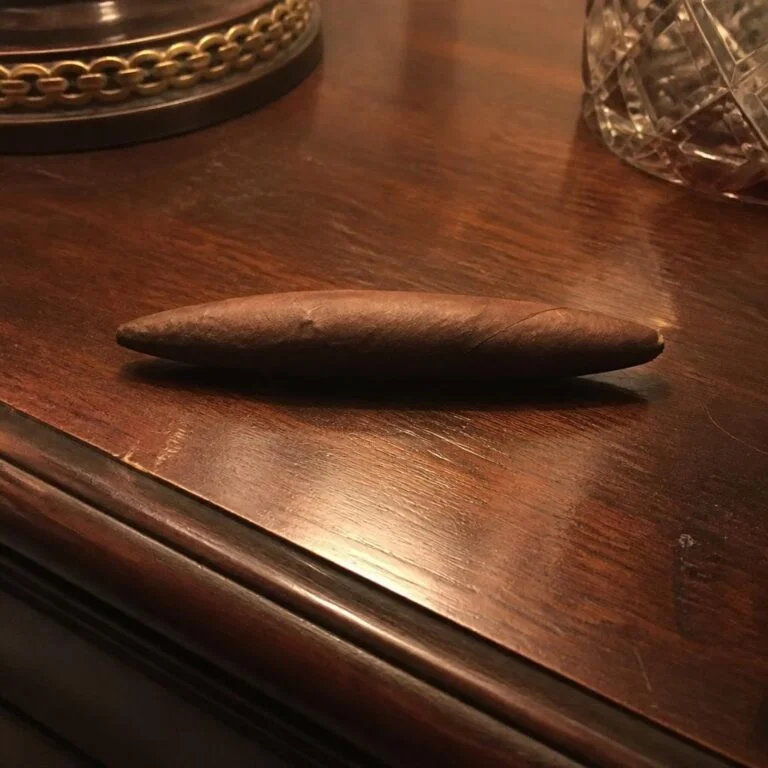
A fourth, slightly off-piste, is the Arturo Fuente Hemingway. Carlos Fuente Sr. found a set of old perfecto-shape cigar moulds in a Florida warehouse in the early 1980s and revived the perfecto vitola the rest of the industry had let lapse. The Hemingway line uses the same Cameroon wrapper as the Don Carlos and is among the most photographed cigars in the world. If you have never smoked a perfecto, smoke a Hemingway Short Story; the shape teaches you something the Robusto cannot.
Three from the Nicaraguan Bench
If you want to learn what Nicaraguan cigars taste like at their best, the same exercise applies.
The first is the Padrón 1964 Anniversary Series. A Nicaraguan puro across both natural and maduro versions, with all of its tobacco aged for at least four years before rolling, the line was released in 1994 to mark Padrón’s thirtieth year in business and was the cigar that taught the rest of the industry to box-press. The Padrón portfolio has won Cigar Aficionado’s Cigar of the Year award four times, more than any other brand, and the 1964 Anniversary Series Torpedo Natural took the top spot in 2021. The Exclusivo and the Hermoso are the two vitolas most often recommended to newcomers; both are excellent. If you have never smoked a Padrón, you have not yet met what Nicaragua is capable of at its peak.
The second is Joya de Nicaragua, the country’s oldest commercial premium brand, founded in 1968 in Estelí. The Antaño 1970 line, released as a deliberate return to the bolder character the brand had made its name on before the revolution, is the cigar to start with. It is full-bodied, peppery, and historical in a way most modern cigars are not; the brand’s continuity through the country’s worst decade is a fair part of the smoke.
The third is the Oliva Serie V. Released in 2007, the V stands for vigoroso, “strong” in Spanish, and the cigar arrived as Oliva’s most powerful blend to date. It made the brand. The Serie V Melanio, which followed in 2012 with an Ecuadoran Sumatra wrapper, has appeared on Cigar Aficionado’s Top 25 list more than once and has a particular reputation for value; it routinely smokes above its price band.
A fourth, for the curious, is the My Father Le Bijou 1922, a Cigar of the Year winner and the cleanest available illustration of how the García family thinks about Estelí leaf. It is fuller than most readers expect on a first smoke. Give it the second half before you decide.
A Simple Tasting Flight
The fastest way to internalise the difference between the two schools is to smoke them side by side, in matched vitolas, with the same drink, taking notes in thirds. Three rounds, three pairings, increasing in body. Build the flight over three evenings rather than one.
Round One · Approachable
Dominican: La Aurora 107 or Arturo Fuente Hemingway Short Story.
Nicaraguan: Oliva Serie V Melanio Robusto.
Round Two · Classic
Dominican: Arturo Fuente Don Carlos.
Nicaraguan: Padrón 1964 Anniversary Exclusivo.
Round Three · Fuller
Dominican: La Flor Dominicana Double Ligero.
Nicaraguan: My Father Le Bijou 1922 or Joya de Nicaragua Antaño 1970.
Smoke similar vitolas where possible. Use the same cut. Use the same drink. Take notes in thirds. Otherwise, you are comparing mood, not tobacco.
Common Myths
Four claims that get repeated in cigar lounges and online threads, and what is actually true.
Myth. Dominican cigars are always mild.
Reality. Many are, but La Flor Dominicana and Fuente OpusX make that claim look foolish. Body sits closer to the wrapper and the long filler than to the country alone.
Myth. Nicaraguan cigars are always strong.
Reality. Nicaragua can produce elegant tobacco too, especially from Jalapa. Cigar Aficionado has long described Jalapa tobacco as subtle and prized for wrapper-grade leaf.
Myth. The wrapper tells you the whole story.
Reality. Wrapper matters a great deal, but filler usually defines the cigar’s core character. A pretty wrapper sells the cigar; the filler decides what it tastes like in the middle third.
Myth. Country of origin tells you everything.
Reality. It gives you a starting point. The blender still decides the cigar. Country narrows the field; the blend chooses the bottle.
When to Reach for Each
The practical question is when. There is a fair argument for keeping a small selection from each country in the humidor and choosing by the evening rather than by habit. Size is the other half of that choice: how the Churchill, Toro and Robusto differ is a useful companion to the origin question.
A Dominican cigar tends to be the right answer for the morning, the daylight smoke, the cigar that accompanies coffee or pairs with a lighter spirit. Its restraint suits a palate that has not yet been used. It also tends to suit longer sessions; a milder cigar can be smoked over an hour without numbing the tongue. If you have a cigar friend who smokes infrequently and you want them to enjoy the evening, a Dominican is a kinder first choice.
A Nicaraguan cigar tends to suit later in the day, the after-dinner cigar, the pairing with a heavier spirit, the fireside half-hour after a meal that has already done some work on the palate. Its weight asks for company. A Padrón 1964 Exclusivo with the last finger of an Islay malt is one of the more reliable evenings I know.
There are exceptions in both directions. A Davidoff Aniversario will stand against most spirits. A Joya de Nicaragua Cabinetta will sit pleasantly with a morning espresso. The point is not to obey the country, but to know what it usually wants from you and to choose accordingly. The discipline of writing down what you find, in a structured review by thirds rather than a single end-of-night verdict, is what turns these tendencies into a working knowledge over time.
If your humidor allows only one country at a time, choose based on how you smoke. If you want balance, restraint, and daytime versatility, start Dominican. If you want density, spice, and after-dinner power, start Nicaraguan. Most enthusiasts I know end up keeping both. The cigars do not compete; they complement.
Two Schools, One Pleasure
The two cigars on my desk this evening are still half-smoked. The Dominican is being patient with me. The Nicaraguan is asking me to put the laptop away. I will likely give in to the second and finish the first tomorrow, which is the truest answer I can give to the question of which one is better. They are not better. They are different schools of the same craft, taught in different climates, by makers whose families lived through different histories. To pick one and abandon the other is to give up half of what cigars can be.
If you keep a small humidor, give one shelf to each. If you keep a serious humidor, give a full row. Read what others have said about the named cigars above, smoke them slowly, and write down what you find. Your palate will tell you, eventually, which evenings ask for which country. The work of Cigarro is to make that record easy to keep, and to give you something to look back on when you wonder, two years from now, why you ever thought a Dominican and a Nicaraguan were the same thing.
Dominican or Nicaraguan: telling them apart at a glance
If you remember nothing else, remember this. A Dominican cigar tends to court you; a Nicaraguan one tends to arrive. The Dominican school leans refined and composed, with cedar, cream, almond and a gentle sweetness, and it usually sits in the mild-to-medium register. The Nicaraguan school leans richer and more assertive, with pepper, earth, cocoa and a darker sweetness, and it climbs comfortably into full body. Neither is the better cigar. They are two different evenings.
Dominican, in short: smoother, more restrained, classically elegant. Reach for one when you want a long, even, contemplative smoke that never raises its voice. The benchmarks worth knowing are Arturo Fuente, Davidoff and Romeo y Julieta.
Nicaraguan, in short: bolder, deeper, more powerful. Reach for one when you want presence and a smoke with something to say. The benchmarks worth knowing are Padrón, My Father and Oliva.
Frequently Asked Questions
Are Dominican cigars better than Nicaraguan cigars?
No. They are different schools of the same craft. Dominican cigars usually lean smoother, creamier, and more aromatic; Nicaraguan cigars usually lean fuller, earthier, and spicier. Most premium cigar enthusiasts end up keeping both in their humidor and choosing by the evening rather than by habit.
Are Nicaraguan cigars stronger than Dominican cigars?
On average, yes. Nicaraguan filler from Estelí in particular tends to push a cigar toward the medium-to-full end of the body scale, while Dominican filler typically sits in the lighter middle. There are clear exceptions in both directions: La Flor Dominicana and Fuente OpusX are full-bodied Dominican cigars, while plenty of Jalapa-led Nicaraguan blends are elegantly restrained.
What do Dominican cigars taste like?
Tasters consistently use words like cedar, cream, hay, nuts, light coffee, and soft white pepper. The intensity sits in the lighter middle of the strength scale. There is a characteristic dryness on the palate that comes from leaf grown in the Cibao Valley, often described as loamy or autumnal.
What do Nicaraguan cigars taste like?
Words that recur in reviews of Nicaraguan blends include earth, espresso, dark chocolate, leather, black pepper, and a peppery finish that lingers on the lips. The intensity sits firmly in the medium-to-full range. Many enthusiasts who came up smoking Cuban cigars find Nicaraguan blends the closest contemporary cousin in body.
Why do Dominican and Nicaraguan cigars taste so different?
Terroir, more than anything. The soil, climate, and tobacco varietals differ between the two countries, and that difference carries through into the leaf and into the smoke. Dominican filler grown in the Cibao Valley leans creamy and restrained; Nicaraguan filler from Estelí and its neighbours leans rich and peppery. The growing region shapes the cigar as surely as it shapes a wine.
Are Padrón cigars Nicaraguan?
Yes. The Padrón family was founded by José Orlando Padrón, a Cuban émigré who began rolling in Miami in 1964, but the brand’s premium cigars are produced in Nicaragua and use Nicaraguan tobacco. The 1964 Anniversary Series is a Nicaraguan puro. Padrón has won Cigar Aficionado’s Cigar of the Year four times, more than any other brand, with the 1964 Anniversary Series Torpedo Natural taking the top spot in 2021.
Are Davidoff cigars Dominican?
Davidoff’s premium cigars, including the Grand Cru and Aniversario lines, are produced in the Dominican Republic. The Grand Cru was conceived in 1946 by Zino Davidoff to be blended with the deliberation of a fine wine, and the line still reads as restrained and finely measured. Davidoff is the Dominican Republic at its most European.
What is a Dominican puro?
A Dominican puro is a cigar made entirely from Dominican tobacco: filler, binder, and wrapper. True Dominican puros are less common than Nicaraguan puros because the Dominican wrapper tradition is narrower. Notable examples include certain La Aurora and Fuente blends. Most Dominican-made cigars are blends that pair Dominican filler with Cameroon, Ecuadorian, Connecticut, Mexican, Brazilian, or Nicaraguan wrapper.
What is a Nicaraguan puro?
A Nicaraguan puro is a cigar made entirely from Nicaraguan tobacco. They are more common than Dominican puros because Nicaragua’s four growing regions (Estelí, Condega, Jalapa, Ometepe) produce enough varietal diversity to build a complete blend without leaving the country. The Padrón 1964 Anniversary Series and Joya de Nicaragua Antaño 1970 are well-known examples.
Which is better for beginners?
For most newer cigar enthusiasts, a milder Dominican is a kinder first cigar. Try an Arturo Fuente Hemingway Short Story or a La Aurora 107. Both reward a careful palate without overwhelming it. Save the Padrón 1964 Anniversary and the My Father Le Bijou 1922 for evenings when you have time and a heavier drink. For a fuller list of where to start, see our shortlist of the best cigars for beginners.
Which pairs better with whisky?
Body should roughly match body. Lighter Dominicans pair well with Speyside and Lowland malts, lighter bourbons, and aged rum. Heavier Nicaraguans pair well with Islay malts, cask-strength bourbons, and a long after-dinner pour. A Padrón 1964 Exclusivo with the last finger of an Islay malt is one of the more reliable evenings worth having.