By Hugh Ashby · Updated September 2026
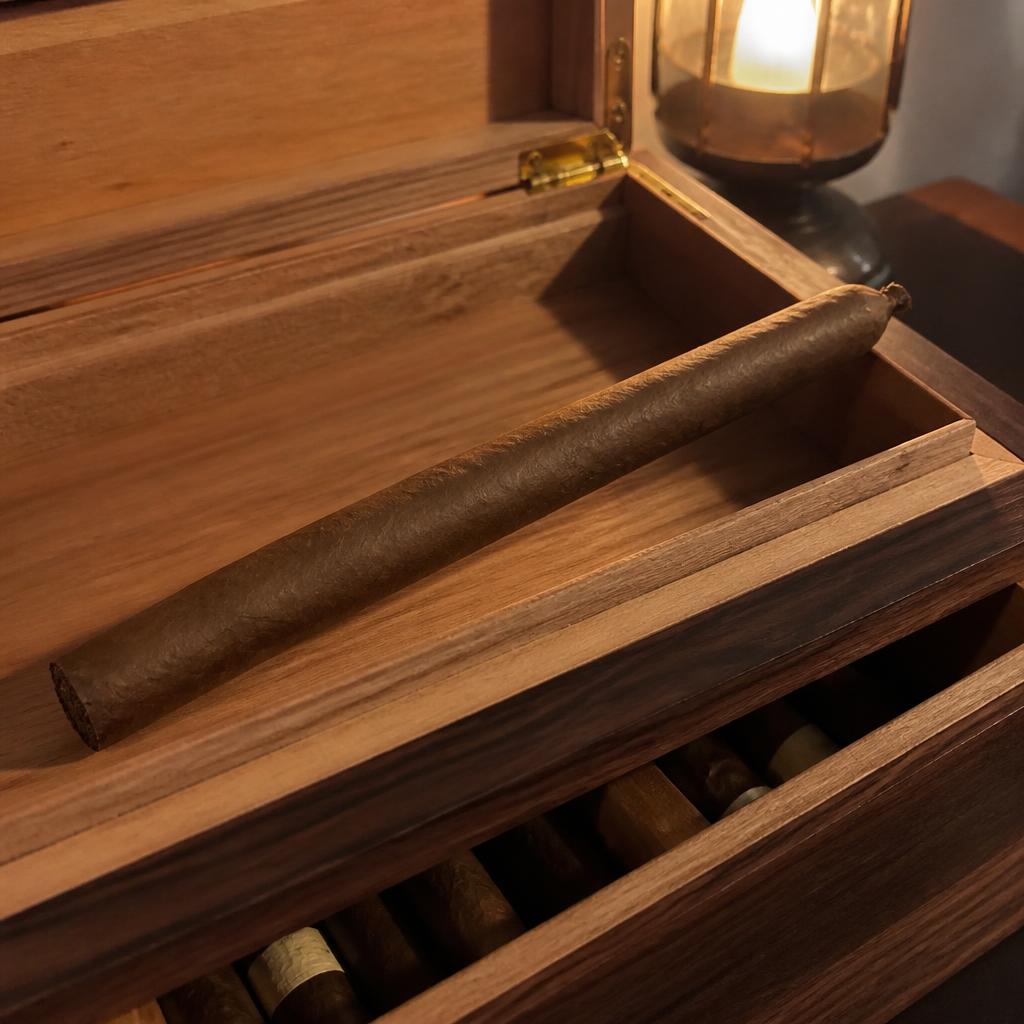
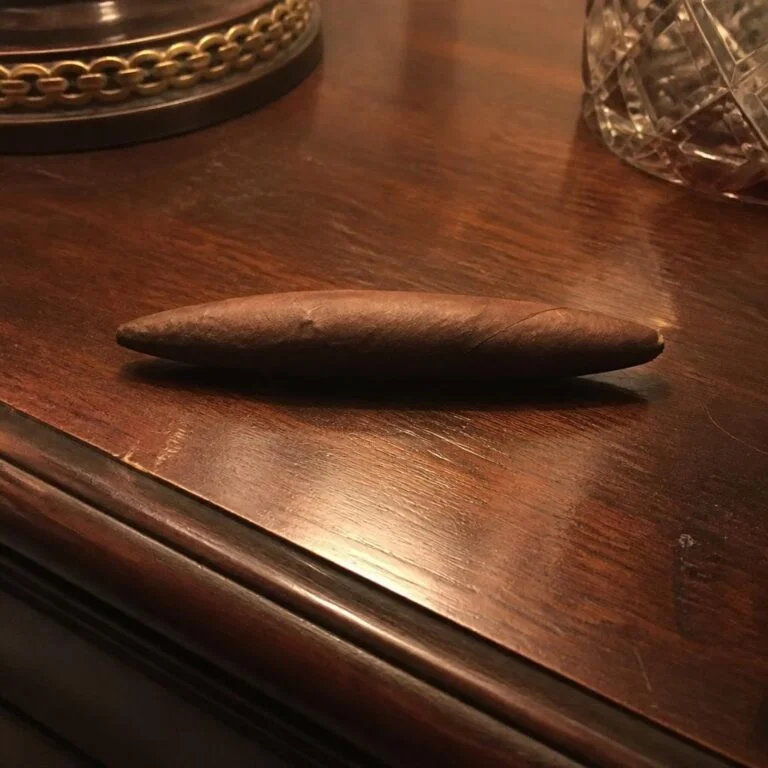
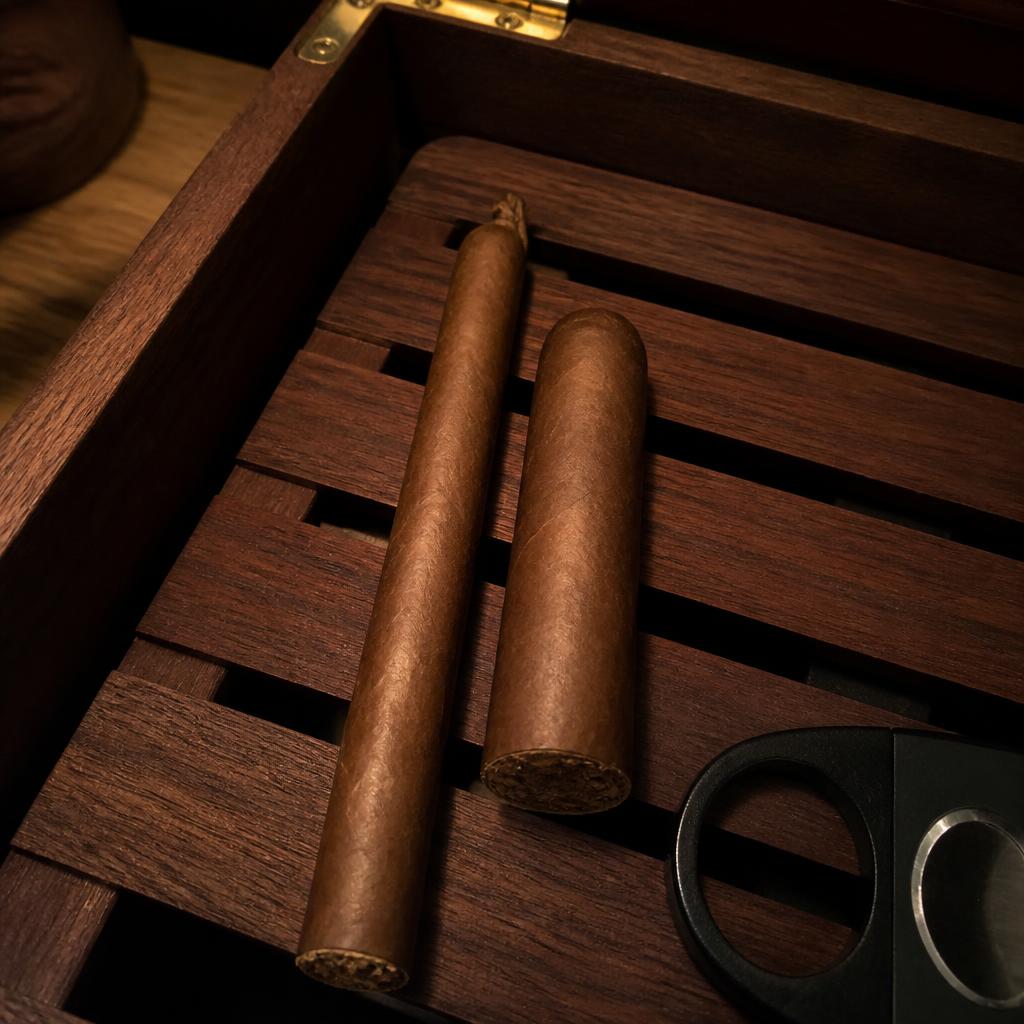
A lancero is a long, thin cigar, the slimmest cut most makers offer. The shape traces back to 1960s Cuba, where the El Laguito factory built the first one as Fidel Castro’s personal smoke. Blenders since have treated the lancero less as a novelty and more as a proving ground for a wrapper leaf, which is why the size has quietly become a favourite among the people who actually make cigars for a living.
A lancero typically runs about 7 to 7.5 inches long with a ring gauge of 38 to 40. It belongs to the panatela family and sits at the far end of it, the longest and slimmest cut a maker offers. Despite feeling like an old Havana tradition, the shape is younger than most smokers assume, and its story explains most of what makes it worth trying.
The Shape, Traced Back to Castro
The standard Cuban lancero measures 7 1/2 inches by a 38 ring gauge, a proportion so narrow that the cigar looks almost fragile beside a robusto. It was not, however, part of Havana’s old size roster. The lancero is a 1960s invention, first rolled at the El Laguito factory as the vitola behind the newly created Cohiba brand, and for years it was Fidel Castro’s personal cigar before he moved on to the Trinidad.
Inside a Cuban factory, the size still carries its original name, El Laguito No. 1. Outside Cuba, makers use the word lancero more loosely, often shortening the length to around 7 inches and widening the ring gauge to 40, which is easier to construct without sacrificing much character. Most lanceros, wherever they are rolled, finish with a signature pigtail cap, a twisted flourish of wrapper leaf at the head rather than a plain rounded cap, a detail that traces back to the cigars Cuban rollers used to twist up for themselves from the day’s leftover leaf.
Why a Thin Ring Gauge Changes the Smoke
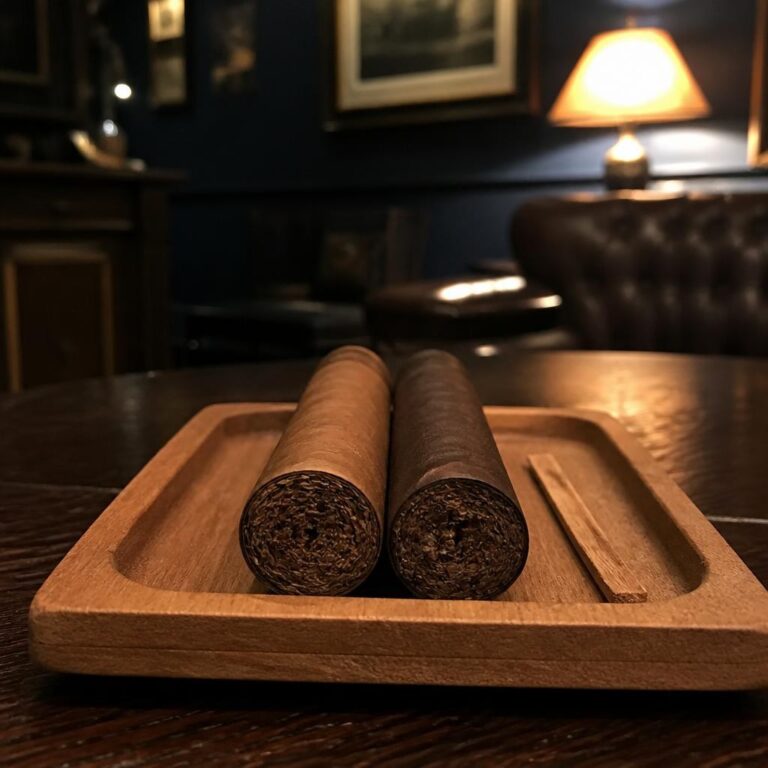
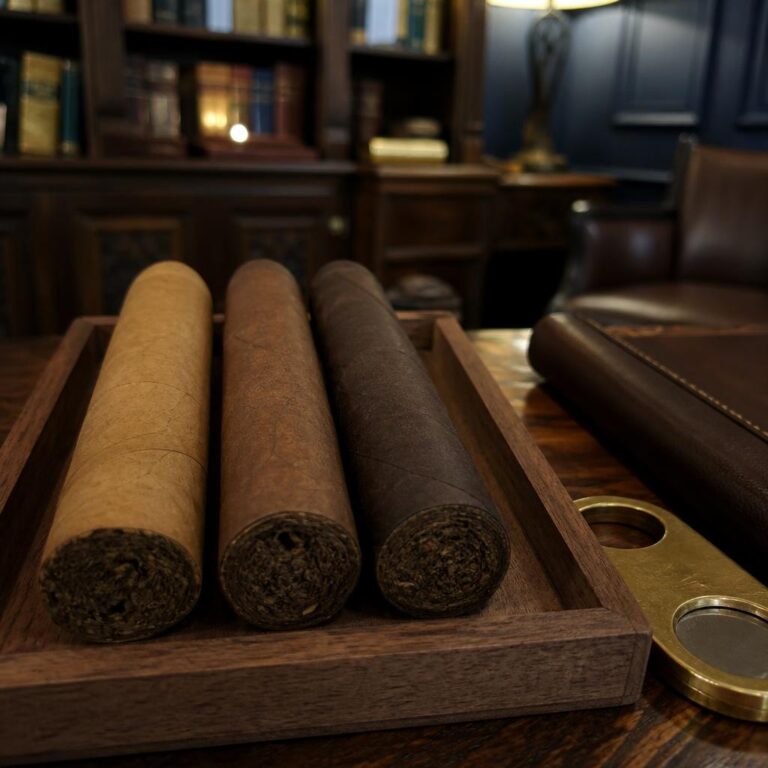
Every cigar is a ratio of wrapper to filler, and the lancero pushes that ratio further towards the wrapper than almost any other shape. With so little filler tobacco to buffer it, the wrapper leaf stops being a supporting player and becomes the whole performance. When Oliva rolled its first lancero, the company put it plainly: the wrapper has to be able to carry the cigar on its own, because there is nowhere else for the flavour to come from.
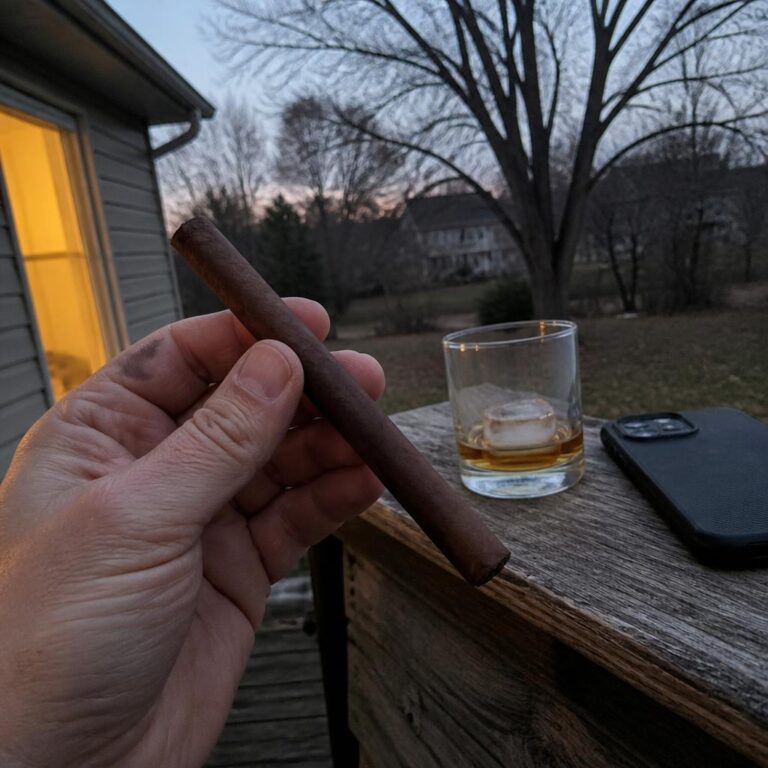
That is also why a lancero from a blend you already know can taste like a different cigar entirely. Blenders cannot simply scale the same recipe down. The filler mix is often reworked specifically for the size, and the result usually leans further towards whatever the wrapper leaf does best. Expect more perfume, more of the growing region’s own character, and a burn that runs hotter if you rush it. The fix is pace, not panic. Give a lancero closer to ninety seconds between draws rather than the minute you might allow a fatter ring gauge, and it settles into itself.
The Hardest Vitola in the Factory
Ask around a factory floor and the lancero has an odd reputation, unloved by casual buyers and adored by the people who make cigars for a living. It is widely regarded as the hardest non-perfecto vitola to roll, and the reason is unforgiving physics. Too little tobacco in the bunch and the cigar burns hot and bitter. Too much and it will not draw at all. Only the most experienced rollers at a factory are usually trusted with the job, which is part of why a lancero often costs more than a fatter cigar of the same length.
The fan club among cigar makers is a long one. Carlito Fuente has called the lancero the best size he makes, even though getting hold of the Fuente version, nicknamed the Phantom, is famously difficult. Litto Gomez of La Flor Dominicana names it his personal favourite and limits the roll to a handful of his most trusted hands. Pete Johnson of Tatuaje has kept a lancero in his line since his earliest releases, despite admitting it is rarely the bestseller. When the people who blend the tobacco keep reaching for the same shape off the clock, that tells you something the sales figures do not.
Who Should Reach For One First
A lancero rewards a smoker who already has a handful of reviews behind them and wants to taste a familiar blend from a different angle. If a brand you already enjoy makes a lancero, that is the natural place to start, since you already have the standard vitola as a point of comparison. Go in expecting a brighter, more wrapper-forward version of the cigar you know, not simply a longer, thinner copy of it.
Pace is the only real skill involved. Slow the draw down, let the cigar rest between puffs, and resist the instinct to treat it like a quick smoke because it looks slender. A cigar this dependent on a single leaf is exactly the kind of smoke where a full review by thirds earns its keep, because the way a lancero opens, settles, and finishes can move more across a single sitting than most other vitolas manage.
A Slim Cigar, A Serious Reputation
The lancero will never outsell the robusto, and that is rather the point. It is a size built for the wrapper leaf and for the smoker patient enough to let it speak. Try one from a blend you already trust before you judge the shape itself, then decide for yourself whether you understand the fan club.