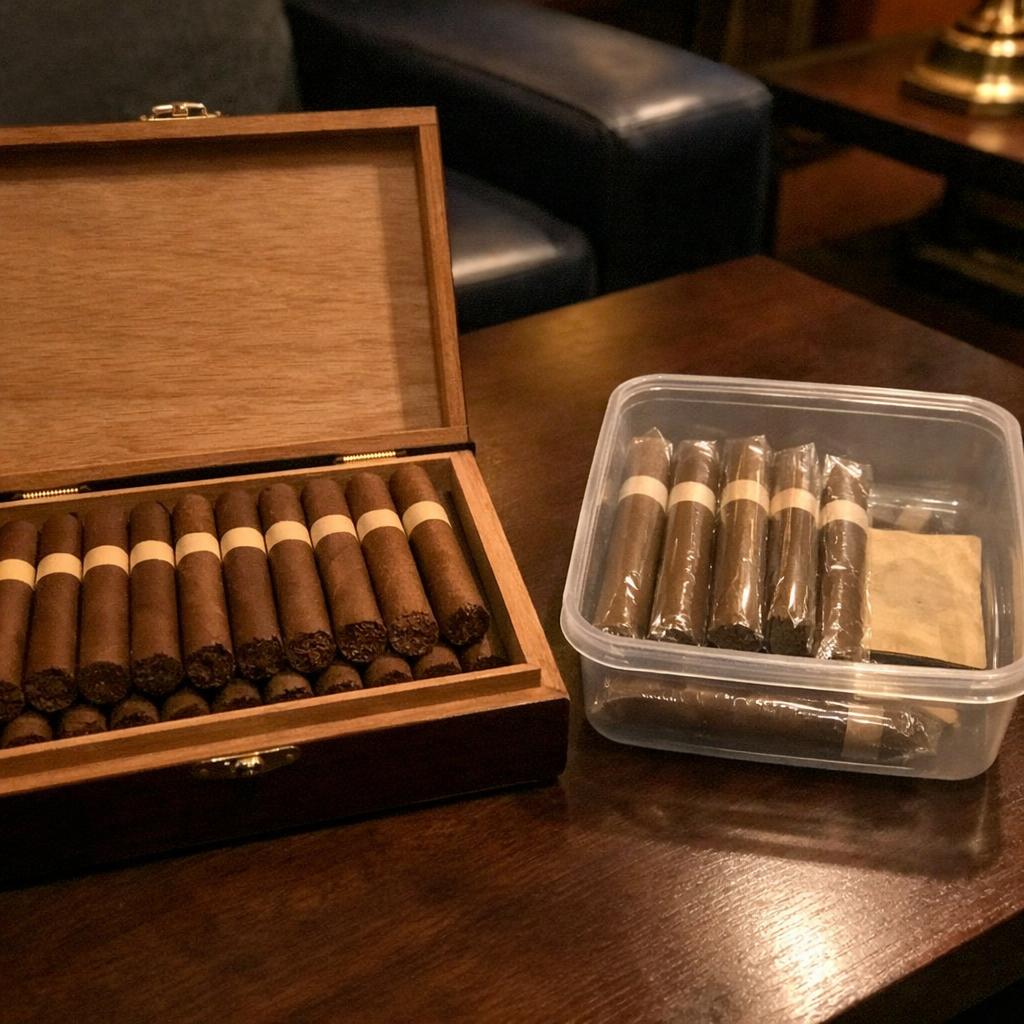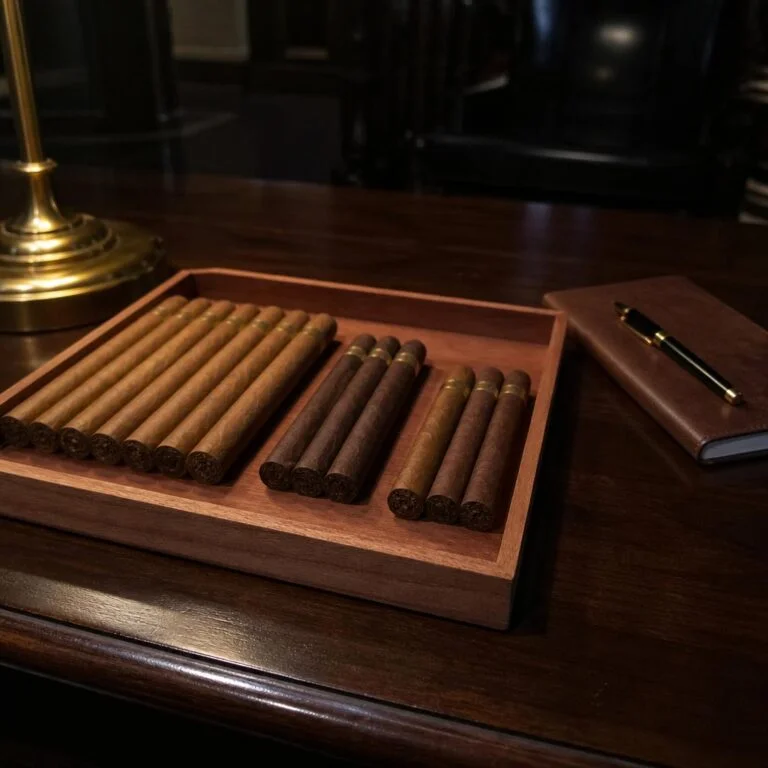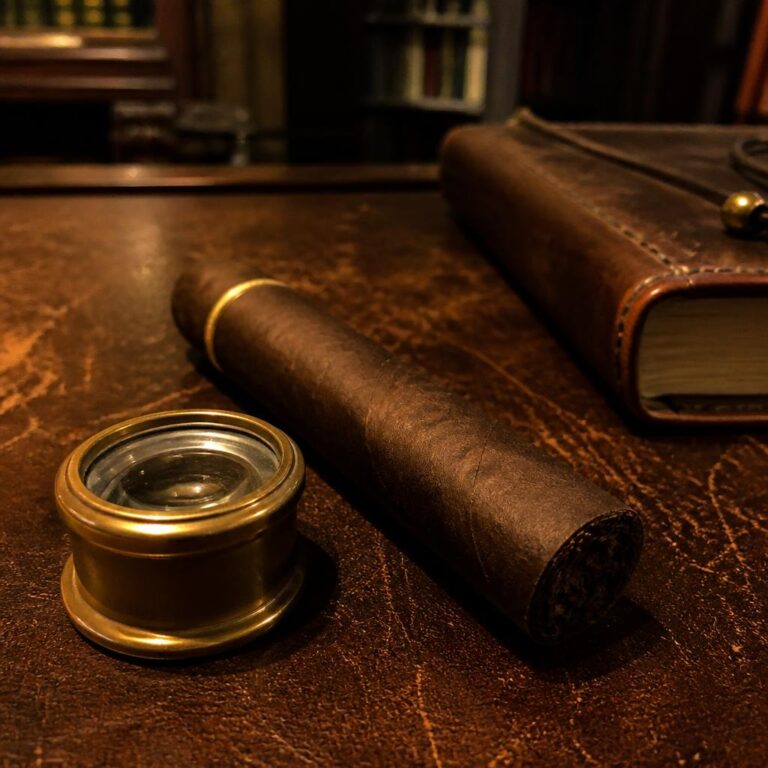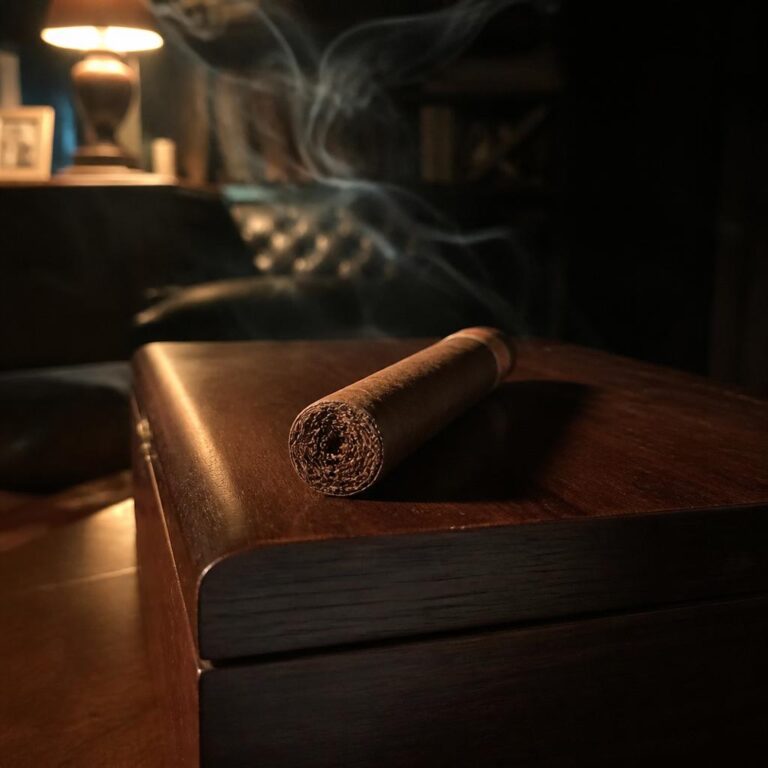
Cigars do not have an expiry date. They have a moisture level, and everything people call “going bad” is really that moisture level moving somewhere it should not be. A cigar left on a desk overnight is not spoiled, it is dry. A cigar found at the back of a drawer two years later is not dangerous, it is either dry, or fine, or quietly full of beetle holes, and you can tell which within about ten seconds of picking it up.
So the honest answer to how long cigars last is anywhere from two days to several decades, depending entirely on where you put them. The table below gives the realistic window for every situation a cigar actually finds itself in, from the paper bag you carried it home in to the seasoned humidor it may spend the next ten years in, along with what fails first in each case and whether it can be brought back.
Then the physics, which is worth understanding once because it settles most of the arguments. Why cellophane buys weeks rather than months, why heat matters more than humidity for the one genuinely destructive failure, and why the correct rescue for a dry cigar is patience rather than water.
| Situation | Realistic window | What goes wrong first | How to rescue |
|---|---|---|---|
| Loose in a room, cellophane off | Two to three days | The wrapper gives up its moisture, then the flavour flattens | Slow rehydration over three to four weeks |
| In its cellophane, in a drawer | Two to five weeks | Steady moisture loss through the porous cellophane sleeve | Slow rehydration, usually a full recovery |
| Sealed container with a humidity pack | Months, often years | Nothing, provided the seal holds and the pack is replaced | Swap the pack when it turns rigid |
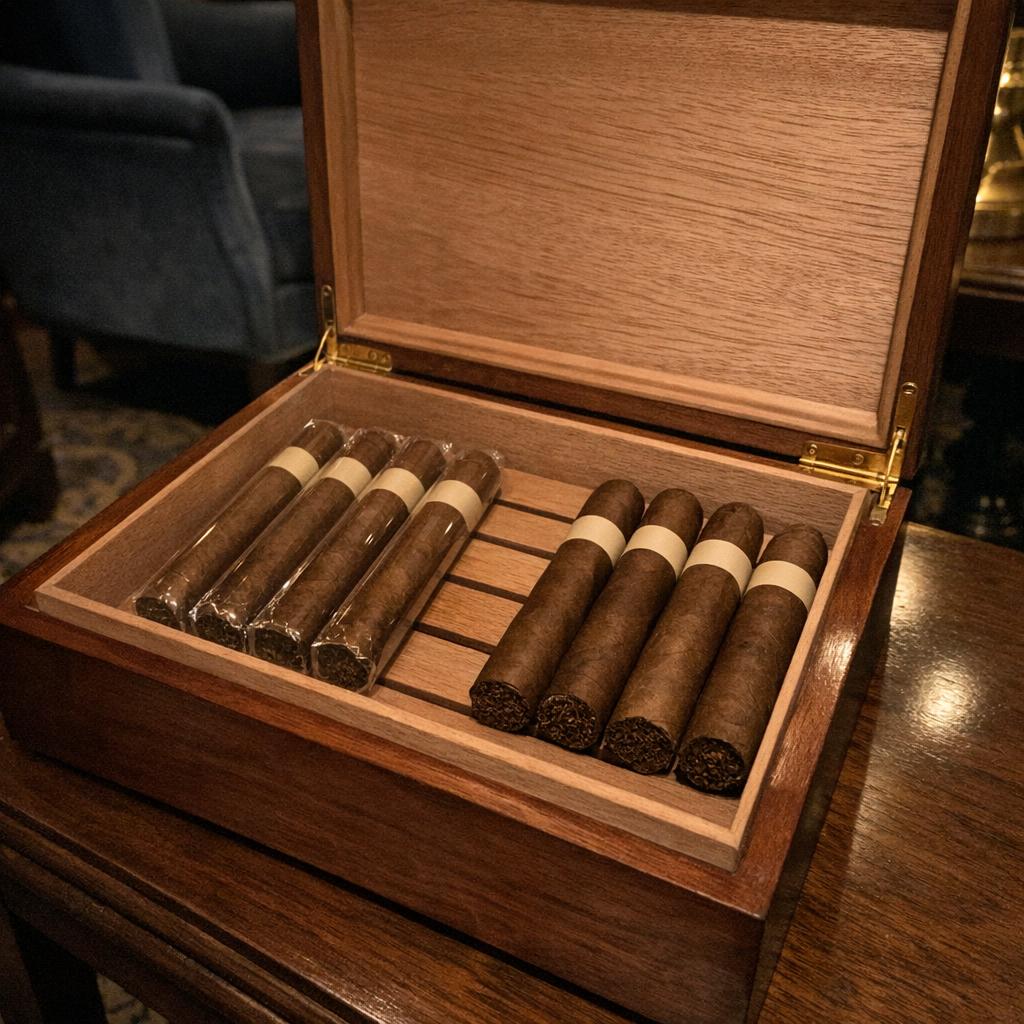
| Seasoned humidor at 65 to 70 percent | Years, and improving for the first three to five | Nothing, the blend marries and softens | Keep the temperature down, not the humidity up |
| Opened box on a shop shelf | Weeks, depending on the room it sits in | The top layer dries before anything underneath | Ask when the box was opened, buy from the middle |
| Frozen, then thawed properly | Indefinite, with no flavour cost | Thermal shock and cracked wrappers if you rush the thaw | Three days in the freezer, a day in the fridge, then the humidor |
| Cut but not lit | Days rather than weeks | The open head dries fastest, and the cap can unravel | Smoke it, or accept a small loss and put it back |
| Lit, then set down | Fifteen to thirty minutes | Tar and resin in the unburned tobacco oxidise | Relight within the half hour, otherwise let it go |
Cigars Do Not Expire
A cigar is fermented tobacco wrapped in more fermented tobacco. There is nothing in it that spoils the way food spoils, and no date past which it becomes unpleasant by default. Kept correctly it improves for years. Kept badly it declines, and the decline is almost entirely a story about water.
Tobacco is hygroscopic, which is a long word for a simple habit: it takes moisture from the air around it and gives moisture back to the air around it until the two are in balance. A cigar sitting at 68 percent relative humidity holds roughly the moisture the blender intended. Put the same cigar in a centrally heated sitting room at 35 percent and it will start handing that moisture over immediately, because it has no choice.
Two things go with the water. The first is the burn, since a dry cigar burns hot and fast, which is why an old dry stick tastes harsh rather than merely thin. The second is the aromatic compounds in the leaf, the oils that carry most of what you would describe as flavour. Those leave with the moisture and they do not entirely come back, which is why a rescued cigar is usually good rather than perfect.
Everything else here follows from that one mechanism. If you want the fuller treatment of the numbers, our guide to cigar humidity sets out the ranges and what each one does to the smoke.
Reading the Table Properly
Four rows above are worth a sentence of explanation, because they are where most people are surprised.
The cellophane row catches everybody. Cellophane is not a seal, it is a sleeve. It is semi-permeable by design, which is exactly what you want in a shop where cigars need to breathe with the room and exactly what you do not want in a drawer. It slows the drying, and slowing is all it does. Two to five weeks is the honest range, and a cigar in cellophane on a warm windowsill will be at the bottom of it.
The shop shelf row exists because open boxes are the most commonly misjudged cigars in the hobby. A good shop keeps its walk-in humidor between 65 and 70 percent and the boxes are fine indefinitely. A shop that leaves a few open boxes out on the counter for display is quietly drying the top layer, and the top layer is the one you get handed. It is a perfectly reasonable question to ask when a box was opened, and a good tobacconist will tell you without taking offence.
The freezer row surprises people who assume cold is bad for cigars. Done properly it costs nothing, and it is the only reliable answer to the one failure that actually destroys a collection. More on that shortly.
The sealed-container row deserves its reputation. A cheap airtight box with a two-way humidity pack in it will hold cigars better than an unseasoned wooden humidor, for a fraction of the money. Our walk through the storage options explains why the plastic box keeps winning that comparison.
The One Failure That Is Not Reversible
Drying is recoverable. Beetles are not.
Lasioderma serricorne, the tobacco beetle, is present in trace quantities in most tobacco as eggs, and those eggs are harmless until conditions wake them. The trigger is heat rather than humidity. The commonly cited threshold sits around 24 degrees Celsius, roughly 75 Fahrenheit, and above it, particularly with humidity high as well, eggs hatch and larvae eat their way out of the cigar, leaving a neat pinhole and a small pile of dust. One infested cigar in a closed humidor will become several.
This is why the useful discipline is temperature discipline. Most people watch the hygrometer obsessively and never look at the thermometer, when the thermometer is the one deciding whether a bad week becomes an expensive one. A humidor at 70 percent and 19 degrees is a safe humidor. A humidor at 65 percent sitting in a conservatory in July is not. Keep them off windowsills, out of cars and away from radiators, and the problem mostly does not arise. Our note on beetle prevention covers the inspection routine.
If you do find a hole, the response is the freezer, and the sequence matters. Seal the cigars in bags, three days in the freezer, then a full day in the fridge, then back to the humidor. The staged thaw is the whole point, since taking cigars from deep cold straight into a warm room condenses moisture on the wrapper and cracks it. Done at the right pace, freezing kills eggs and larvae and costs the cigar nothing you will taste.
How to Rescue a Dry Cigar
The instinct on finding a dry cigar is to give it water quickly. Resist it. Fast rehydration is how a merely dry cigar becomes a split one.
The wrapper is a single thin leaf stretched around a bunch considerably thicker than itself. Introduce a lot of moisture at once and the outside swells before the inside does, so the wrapper splits along the seam or lifts at the cap. Damp sponges and wet paper towels do this reliably, and they add a second problem, since standing water in a closed box grows mould long before it rescues anything.
The method that works is boring and slow. Put the cigars in a sealed container with a 62 percent humidity pack, not touching it. Leave them two to three weeks. Then step up to 65 percent for another two to three weeks, and only then return them to your normal storage humidity. A badly dried cigar takes a month or more to come back and there is no way to hurry it that does not risk the wrapper.
What you get at the end is a cigar that smokes properly again, with a good draw and an even burn, but a little quieter than it once was. Some of the volatile oils left with the water and did not return. That is a fair trade for a cigar you had written off, and a decent argument for not letting it happen twice. If the cigars were rescued rather than merely rested, give them longer before you judge them, and read our note on resting times before you decide the blend is at fault.
Cut, Lit, and Put Down
The last three rows of the table are the short ones, and they run on a different clock entirely.
A cut cigar you did not light is not ruined, but it is now on a timer. The head is the densest part of the cigar and the cap you just removed was doing real work holding the wrapper down. Exposed, it dries faster than the rest and the wrapper can begin to lift. Back to it within a day or two and it will be fine. Sitting cut in a humidor for a fortnight, expect a looser draw and a slightly unravelled head.
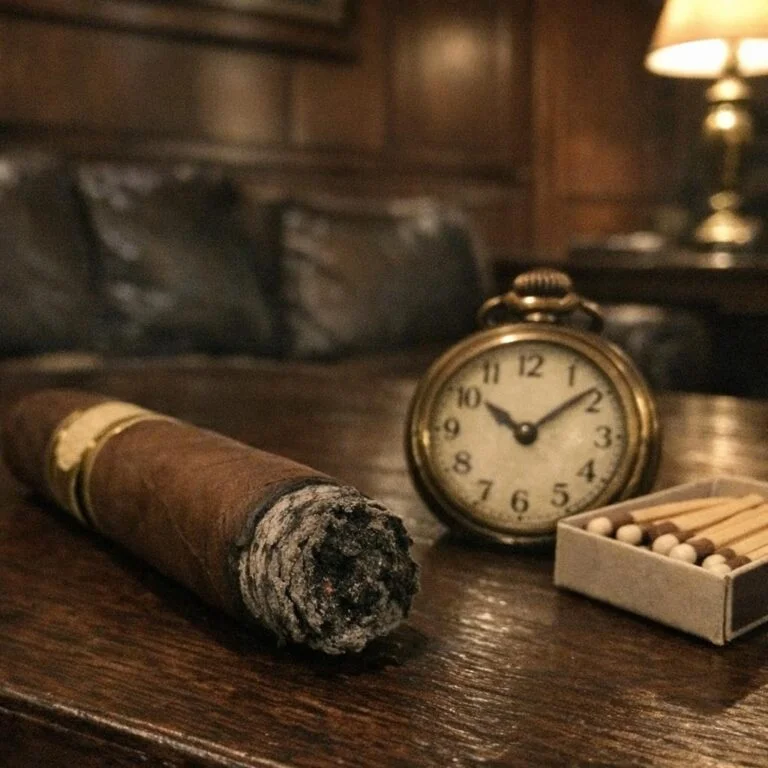
A lit cigar that goes out is a matter of minutes rather than days. Within fifteen to thirty minutes a relight is unremarkable: knock off the loose ash, toast the foot again, carry on. Past an hour it becomes unpredictable, because the tar and resin drawn into the unburned tobacco are oxidising, and oxidised residue tastes of ash and old bonfire rather than of the cigar.
Overnight, the answer is to let it go. Half a cigar relit the next morning is one of the genuinely unpleasant things in this hobby and no technique fixes it. Half a cigar you enjoyed is a better outcome than a whole one you endured, which is a rule that applies more widely than to relights.
Keeping Count
All of the above assumes you know how long something has been where it is, and almost nobody does. The humidor is where time goes missing. A box bought in March is indistinguishable in September from one bought last year, and the cigar you are about to accuse of being flat may simply be three weeks off the truck and not yet rested.
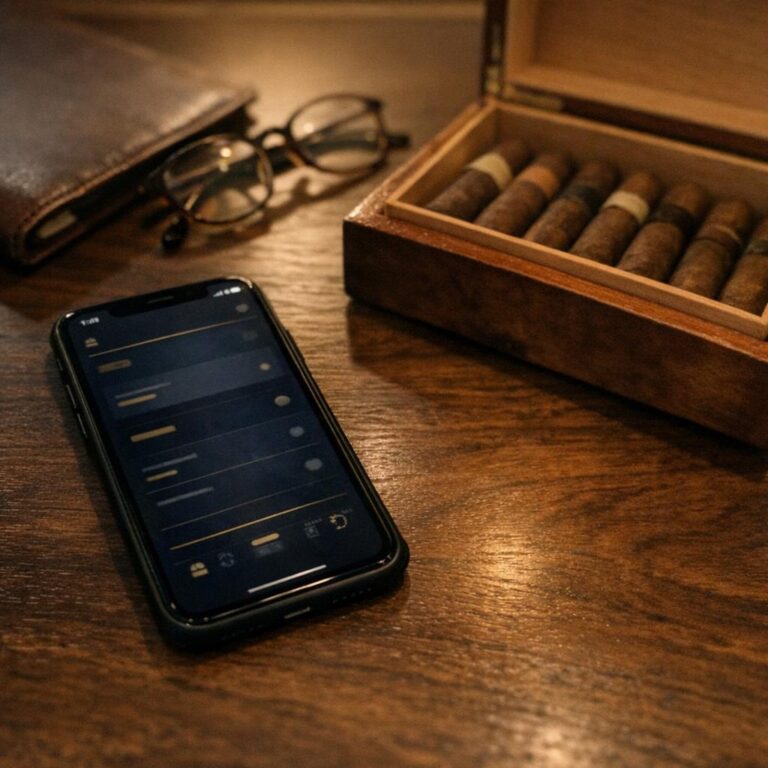
This is the small, unglamorous problem the Cigarro Method and the app behind it exist to solve. Log a cigar when it goes in and the days are counted for you, so “resting since 12 March” is a fact rather than a guess. Rested cigars separate visibly from new arrivals, and when you rescue a dry batch you can mark the date the rehydration finished and stop wondering whether you gave it long enough.
It also makes the ageing question answerable. If you are laying cigars down deliberately rather than merely storing them, the difference between one year and three is real and worth recording, which is the argument our guide to ageing cigars makes at length. Without dates, ageing is just a box in a cupboard and a story you tell yourself.
Questions Readers Ask
How long do cigars last without a humidor?
In their cellophane in a drawer at ordinary room conditions, two to five weeks before the quality noticeably fades. Out of the cellophane and loose in a room, two to three days. Neither is a hard deadline, they are the points at which most people would start to notice a thinner smoke and a hotter burn. A sealed plastic container with a two-way humidity pack changes the answer entirely and will hold cigars in good condition for months, which is why it is the cheapest genuinely useful thing a new smoker can buy.
Do cigars go bad?
Not in the sense that food goes bad. There is no expiry date and nothing in a cigar spoils on a timetable. What happens instead is that it dries out, loses aromatic oils along with the moisture, and burns hot and thin as a result. That process is slow and largely reversible. The one genuinely destructive failure is a tobacco beetle infestation, which leaves small round holes and fine dust, and that is caused by heat rather than by age.
How long do cigars last in a humidor?
Years, and for the first three to five they generally improve rather than decline. A properly seasoned humidor held between 65 and 70 percent relative humidity and below about 21 degrees Celsius will keep cigars in good condition indefinitely, with the blend softening and marrying over time. The limiting factor is almost never age, it is a lapse in maintenance: a dry sponge, a cracked seal, or a hot summer.
Can you bring a dried out cigar back?
Usually, if you are patient. Seal the cigars in a container with a 62 percent humidity pack for two to three weeks, step up to 65 percent for another two to three, then return them to normal storage. Never use a damp sponge or a wet towel and never add water directly, because fast rehydration swells the wrapper faster than the filler and splits it. The recovered cigar will smoke properly but is often a little quieter in flavour than it was.
Is it safe to freeze cigars?
Yes, provided you stage it. Seal them in bags, three days in the freezer, a full day in the fridge, then back into the humidor. The graduated thaw prevents condensation forming on the wrapper and cracking it. Freezing is the standard remedy for a suspected beetle problem because it kills eggs and larvae, and done at this pace it does not measurably affect flavour.
How long can you leave a cigar before relighting it?
Fifteen to thirty minutes is comfortable. Knock the loose ash off, re-toast the foot, and the cigar picks up roughly where it left off. Past an hour the result becomes unpredictable, as the residue drawn into the unburned tobacco begins to oxidise and turn bitter. Left overnight it is not worth reviving, and the better decision is to open a fresh cigar rather than fight a stale one.
A Question of Conditions
The question people ask is how long a cigar lasts. The question that actually determines the answer is where it has been kept and at what temperature, and once you know those two things you can predict the rest without looking anything up. Cellophane in a drawer buys weeks. A sealed box with a pack buys months. A seasoned humidor buys as long as you like, and for the first few years it gives back more than it takes.
Which leaves the part nobody can work out from first principles: how long yours have actually been sitting there. That is the number worth writing down, because it turns a shelf of anonymous cigars into a record you can read. The app is free to start, the logging takes about ten seconds, and the first time you catch yourself blaming a blend for something that was simply three weeks of rest short, the habit has paid for itself.