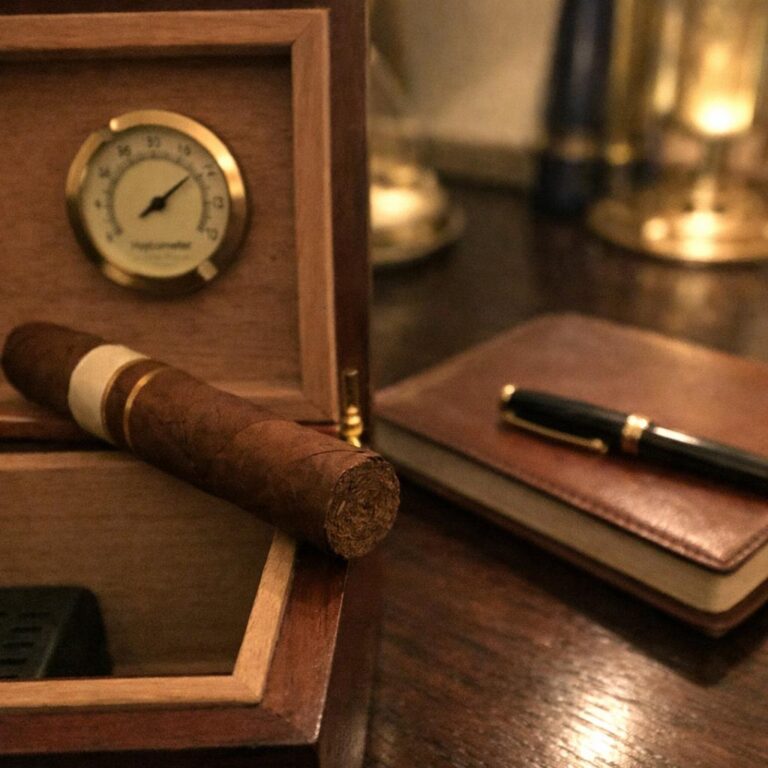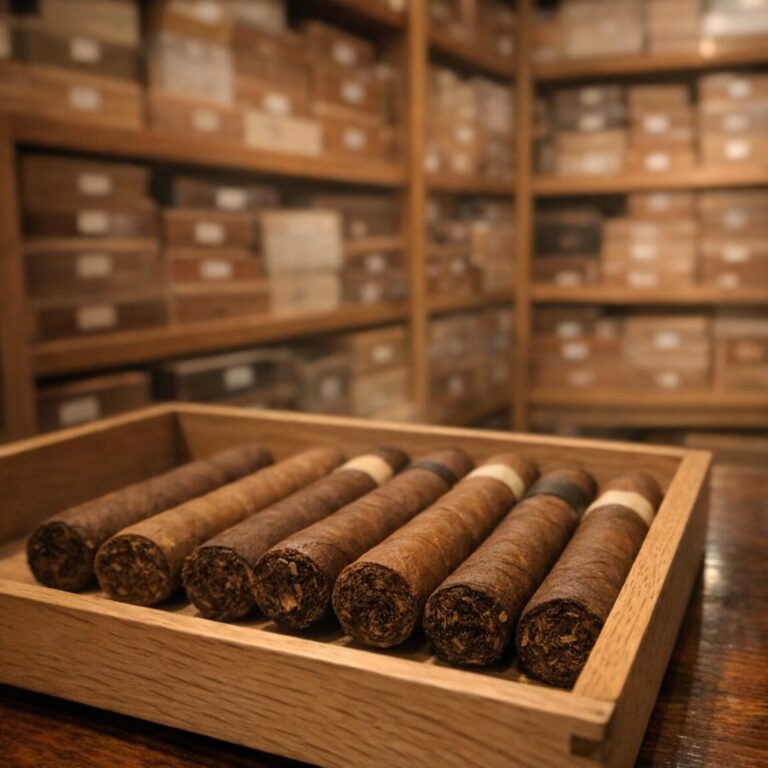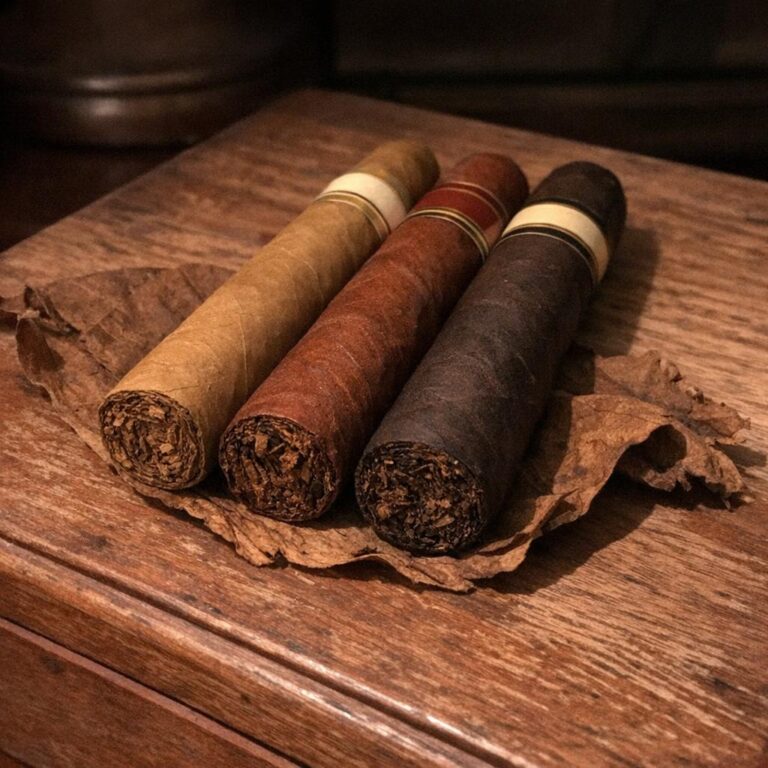
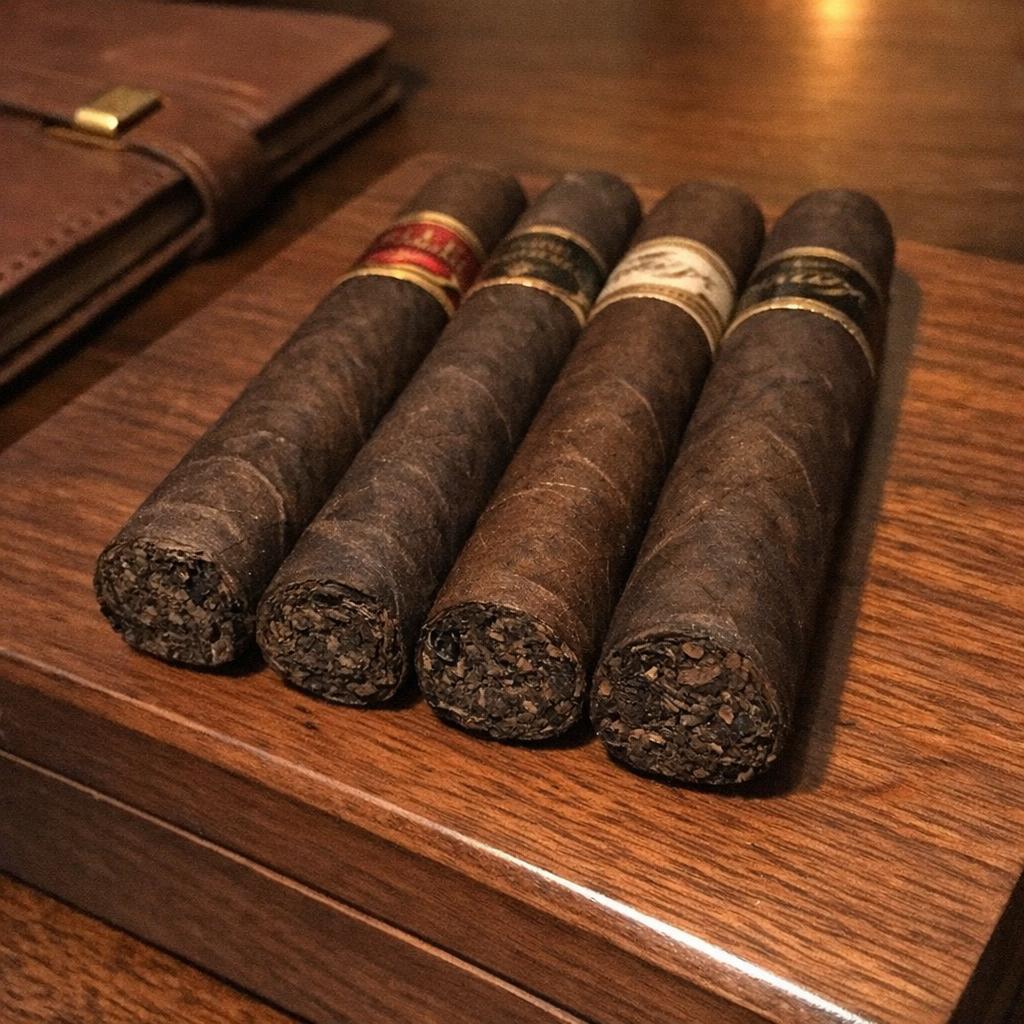
Maduro is the most misunderstood word on a cigar shelf. Half the room reaches for it because they expect sweetness, the other half avoids it because they expect strength, and almost nobody outside the trade can name what the word actually describes. It does not describe a country, a brand, or a strength rating. It describes a leaf that has been fermented longer and warmer than its siblings until the sugars caramelise and the colour deepens to something between espresso and roasted coffee bean.
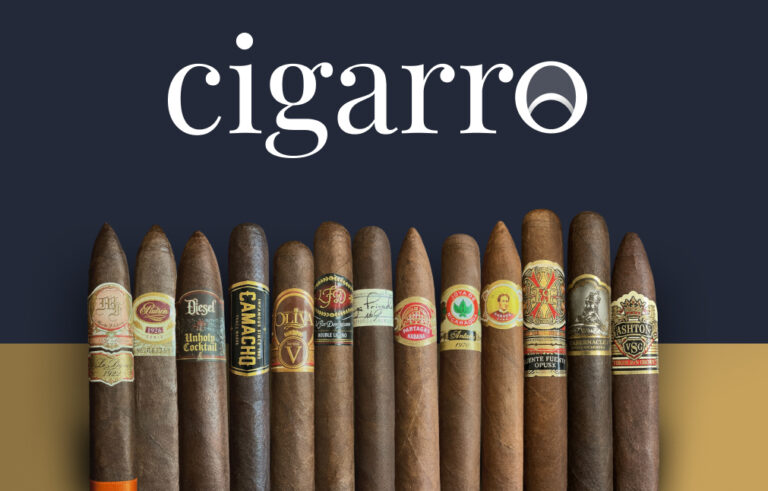
The cigars below are the ones that taught me what maduro is supposed to taste like. They are arranged not by score, which I distrust as a sole metric, but by the role each one plays in a thoughtful rotation. Four for the rocking chair on a Tuesday. Four for the moment a guest arrives. Four for the night the calendar has been pointing at for months. One outlier that doubled down on the idea and earned its place by sheer commitment.
None of these are listed because a brand sent them. They are listed because they have been smoked, scored against the Cigarro Method, and held up to the only test that matters: would I reach for it again next week.
If maduro is your first cigar rather than your tenth, ease in. The fermentation that builds this depth also builds real strength; newer smokers are usually better served starting with a milder beginner’s shortlist and working up to these once the palate is ready.
What maduro actually means
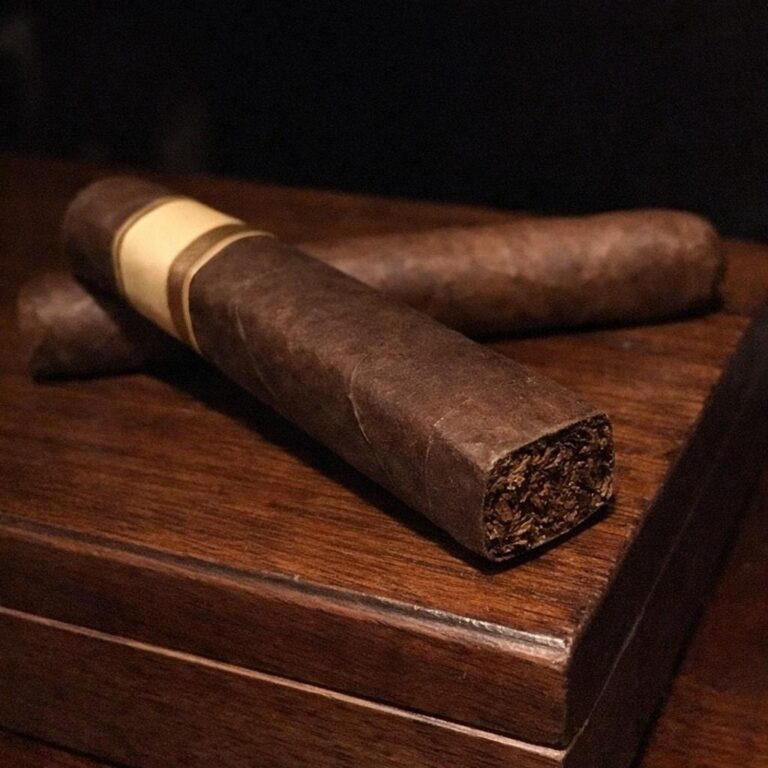
The word comes from the Spanish for ripe. Applied to tobacco, it describes a wrapper leaf that has been carried through a longer fermentation than a natural or claro leaf would receive. Heat builds inside the bales, sugars in the leaf caramelise, ammonia and other harsh compounds vent off, and the colour darkens through every shade from colorado maduro through oscuro. The process can take six months, a year, sometimes longer. Done well, it produces a leaf that tastes of dark chocolate, espresso, dried fruit, and a quiet sweetness that has nothing to do with added flavouring.
Maduro is not a strength rating. A maduro can be mild, medium, or full, depending entirely on the binder and filler the wrapper sits on. A mild maduro is one of the more elegant smokes in the room. A full maduro is a different proposition altogether. The wrapper is roughly thirty to fifty per cent of what the palate registers, which is why two cigars built on the same filler can read as different cigars when one is dressed in Connecticut shade and the other in San Andrés maduro.
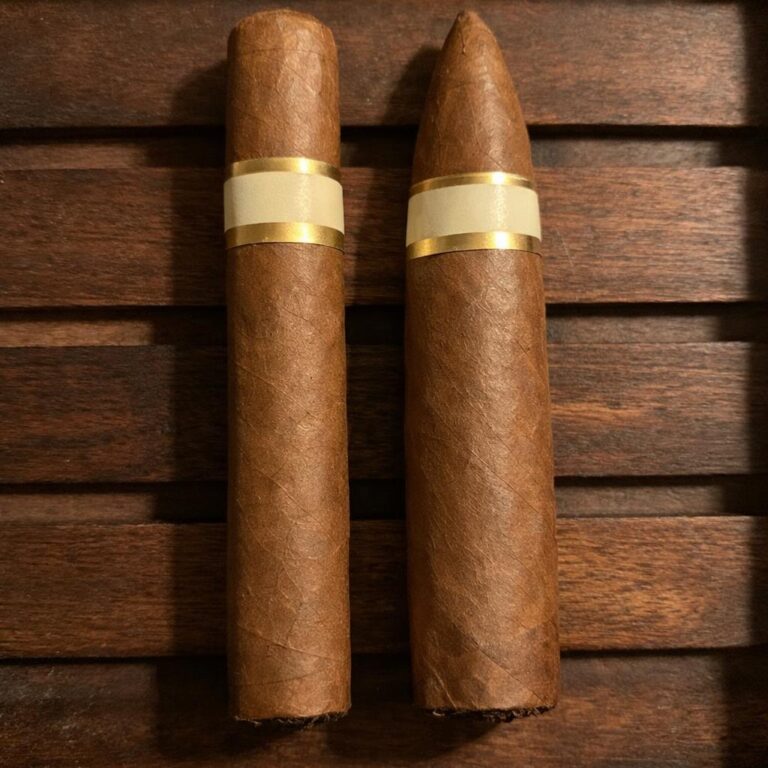
The country of origin matters too. Connecticut Broadleaf, grown in the river valley its name suggests, is the classic North American maduro leaf, dense and slightly sweet. Mexican San Andrés, grown in the volcanic soil of Veracruz and famously the wrapper of choice for many modern blenders, runs earthier and more mineral. Brazilian Mata Fina and Bahia bring a darker, peppery sweetness. Each is a maduro. None of them taste alike. If Connecticut’s gentler, creamier register is more your speed, the best Connecticut cigars are worth the same rotation logic in a different key.
Why maduro fans tend to stay maduro fans
There is a pattern that anyone who has spent enough afternoons in a lounge will recognise. A new smoker arrives convinced that Connecticut shade is the gentleman’s wrapper. Six months later they will have wandered through Habano and Sumatra and Corojo, scoring each one fairly and politely. And somewhere around the eighteen-month mark, they buy a five-pack of a good Broadleaf maduro on a friend’s recommendation, settle into a chair, and emerge changed.
The reason is not that maduro is better. It is that maduro rewards a particular kind of attention. The flavours arrive slowly. The sweetness is structural rather than dessert-like, the way good dark chocolate is sweet without being sugary. The retrohale carries pepper and cocoa together rather than separately. The finish lingers. None of these qualities ask anything of a smoker who is rushing. They are aimed at the smoker who has poured a cup of coffee and is not planning to be anywhere for the next ninety minutes.
That, in the end, is the cigar Cigarro is built for. A structured review of a maduro takes longer than a structured review of a Connecticut shade not because the maduro is more complex on paper but because it gives more back to a patient palate. The picks below were chosen with that kind of evening in mind.
The four daily companions for the rocking chair
These are the cigars that earn space in a working humidor. They sit under fifteen Canadian dollars in most markets, smoke consistently, and reward casual attention without demanding it.
Foundation Charter Oak Maduro. Nicholas Melillo’s value line, rolled at Tabacalera Fernández in Estelí, wears a Connecticut Broadleaf maduro wrapper over a Nicaraguan Habano binder and Nicaraguan filler. It opens with cocoa and leather, sits in earth and a quiet espresso through the second third, and finishes with enough pepper to remind you it is a Nicaraguan blend at heart. Around five and a half US dollars per stick, which makes it one of the more honest deals in the category.
Punch Knuckle Buster Maduro. General Cigar’s no-pretences value line in maduro dress. Connecticut Broadleaf wrapper, Indonesian binder, Nicaraguan filler. Medium to medium-full body, sweet on the wrapper, earthy through the middle, with the kind of construction you expect from a major factory. It is not subtle. It is also not trying to be. As a daily Wednesday cigar, it is hard to beat.
Romeo y Julieta Reserve Maduro. A Dominican mass-market reliable that the Cigar Insider scored 90 when it was first released and has held its character since. The Broadleaf wrapper carries dark chocolate, coffee, and a nuttiness that softens the spice underneath. The construction is what you expect from a factory that has been making cigars at this scale for decades: even burn, draw within tolerance, ash that holds.
Hoyo de Monterrey Excalibur 1066 Dark Knight. The Excalibur 1066 line went on sale in 2004 with this Connecticut Broadleaf maduro release as its dark counterpart. Honduran, Nicaraguan, and Dominican fillers sit under a roasted-coffee-bean wrapper. Medium strength, medium body, well-balanced, with nutty pre-light notes that develop into earth, cocoa, and a soft pepper on the retrohale. A cigar that costs about what a good pint costs and behaves like a cigar that costs twice that.
The sweet spot where character meets value
The fifteen-to-twenty-five Canadian dollar band is where maduro starts to feel like maduro. The fermentation is longer, the wrappers are better stock, the construction is tighter. None of these are special-occasion sticks. All of them deserve to be treated as if they were.
Oliva Serie V Melanio Maduro. The Melanio in maduro dress swaps the original’s Ecuadorian Sumatra wrapper for a Mexican San Andrés maduro, and the change is more than cosmetic. The cigar runs distinctly earthier than its natural sibling, with clay and mineral notes that show the terroir of the volcanic Veracruz soil. Halfwheel’s reviewers have praised the construction and the way the wrapper carries the blend through a long second third. Less sweet than a Broadleaf maduro, more honest about what San Andrés actually does on a leaf.
CAO Brazilia Gol! Cigar Aficionado rated this 91 and called it earthy and powerful, with notes of citrus fruit and honey. It was the first mass-produced cigar to wear a Brazilian maduro wrapper, and the choice was not arbitrary. Brazilian Bahia maduro brings a darker, more peppery sweetness than either Broadleaf or San Andrés, and the Nicaraguan blend underneath gives it the structure to carry the wrapper without being overshadowed. It opens with a charry, spicy first third that mellows into oak and chewy richness.
La Aroma de Cuba Mi Amor. Rolled at My Father Cigars in Estelí, this is a San Andrés maduro wrapper over Nicaraguan binder and filler, and the My Father workmanship shows in every stick. The wrapper is the colour of dark chocolate, the construction is the kind you stop noticing because nothing goes wrong, and the flavour profile sits in the dark-chocolate-and-coffee register that the Mi Amor line built its reputation on. A reliable second-cigar-of-the-night choice.
Ashton Aged Maduro. Debuted in 2012 as a limited production because the Connecticut Broadleaf wrapper is fermented for up to three years before the Fuente family will use it. Rolled in the Dominican Republic by Fuente, the cigar carries dark chocolate, almond, molasses, and maple, balanced by a quiet black pepper underneath. It is gentle on the palate despite the colour of the wrapper, which is the mark of properly aged leaf. Around twelve to fifteen US dollars per stick, and worth the spread.
The special occasion picks when the moment asks for more
These are the cigars that travel to a friend’s wedding, a deal closing, a quiet ninety minutes after a difficult week. Twenty-five Canadian dollars and up. Each one is a known quantity. The novelty of the moment can sit elsewhere.
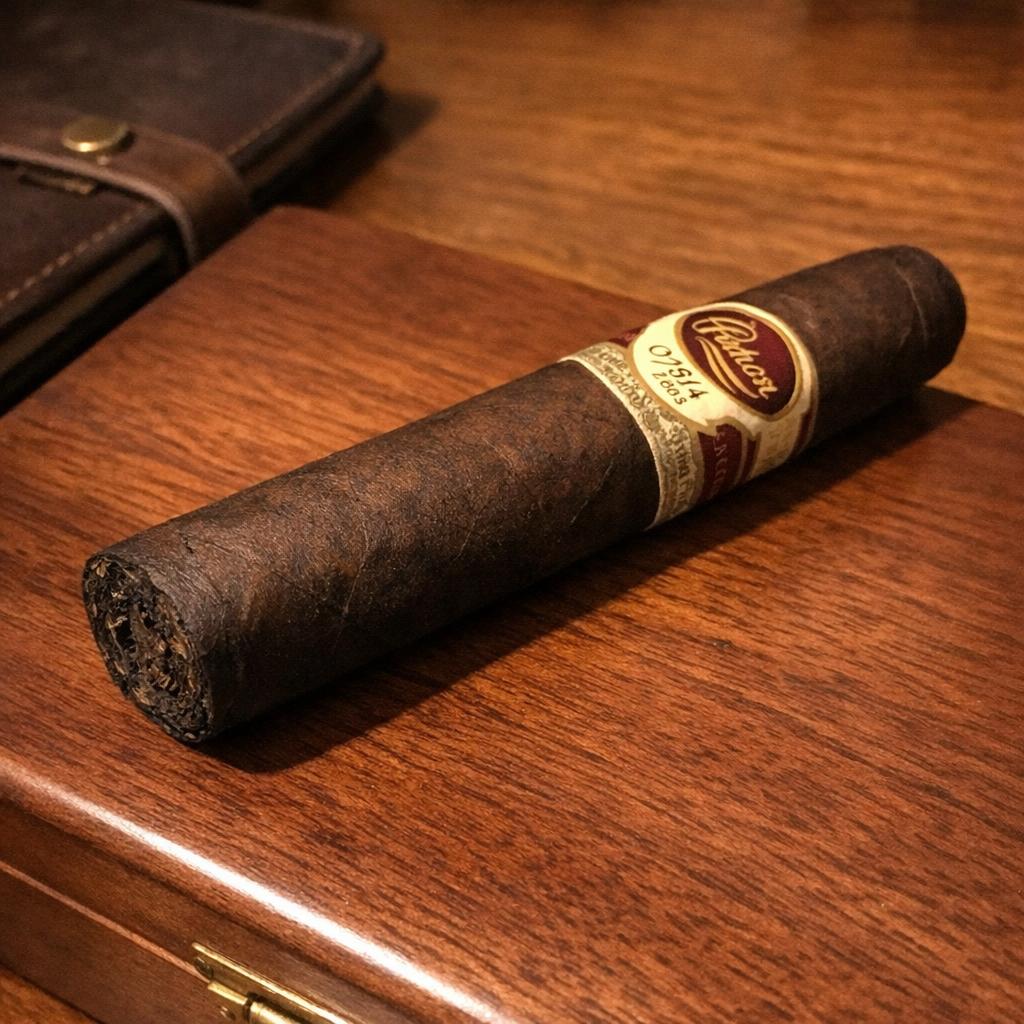
Padrón 1964 Anniversary Maduro. A Nicaraguan puro, every leaf aged a minimum of four years, the maduro wrapper sun-grown and fermented to a deep walnut. Halfwheel has called this one of the most consistently highly rated cigars ever produced, and that consistency is the point. There is barnyard from the wrapper, bitter chocolate and black pepper from the foot, cedar through the middle, and a finish that holds. The Exclusivo at five and a half by fifty is the format I reach for most. The Anniversary remains a cigar that newer smokers should taste at least once, if only to recalibrate what is possible.
Liga Privada No. 9. Drew Estate’s flagship. A Connecticut Broadleaf Number One Darks wrapper that ferments for a minimum of eighteen months, plantation-grown Brazilian Mata Fina binder, and Honduran and Nicaraguan Cuban-seed filler tobaccos. The cigars are aged a further year after construction. The result is espresso, dark chocolate, and leather in the kind of concentration that earned the line its reputation. Full-bodied without being aggressive, sweet without being confectionery, and reliably difficult to find in stock, which is the price of the recipe.
Arturo Fuente Añejo. A holiday-only release for Christmas and Father’s Day, built on a blend close to the Fuente OpusX but wearing a five-year-old Connecticut Broadleaf wrapper that has been aged in cognac barrels. Cigar Aficionado gave the Añejo a 94 and called it a maduro that burns and smokes like a dream, rich and earthy and balanced by sophisticated spice. The cognac comes through in the first third as a quiet sweetness rather than a flavour note, and the second third settles into brown sugar, cedar, oak, and a soft pepper on the retrohale. Buy them when you see them. They do not last.
Tatuaje Black Label Corona Gorda. Pete Johnson’s Black Label originally appeared in 2008 in a foil-wrapped, covered-foot ceramic jar that quickly became one of the most chased Tatuaje releases. The 2013 release is the version most current humidors hold. The Black Label is a Nicaraguan blend with a darker wrapper than the standard line, and it smokes for roughly an hour and twenty-five minutes in a corona gorda format, which is the right amount of time for a cigar of this character. Rough in appearance, rich in flavour, and reliably among the cigars enthusiasts cite as memorable years after the first one.
An honourable mention for the cigar that doubled down
Camacho Triple Maduro. The premise is in the name. A Mexican San Andrés maduro wrapper, an authentic Corojo maduro binder, and a filler of maduro tobaccos from Honduras, Brazil, and the Dominican Republic. It is the only mass-marketed cigar built entirely from maduro leaf at every layer.
The result is exactly what you would expect from a recipe like that. Vanilla and cocoa through the first third, dark chocolate and espresso through the middle, a long savoury finish that holds black pepper, molasses, and a hint of roasted pecan. The Gordo format at six by sixty is the one most reviewers reach for. It is not a beginner cigar. It is also not a cigar that asks to be the default. But for the smoker who has fallen into maduro and wants to understand what an all-maduro construction tastes like, it is the answer to a question nothing else on the shelf can answer.
On pairing maduro with coffee and the after-dinner room
The reason maduro pairs so consistently with coffee and dessert is structural. The same fermentation that caramelises the sugars in the wrapper produces flavour compounds that overlap with the Maillard reaction in roasted coffee beans and in the crust of baked goods. Dark chocolate, espresso, toasted nut, dried fruit. The cigar and the cup are speaking the same dialect.
The classics work for a reason. A small cup of espresso or a long pull of pour-over coffee carries a Padrón Anniversary or a Liga Privada without competing. A finger of aged rum, the kind that has spent ten or fifteen years in a barrel, pairs with a Maduro by amplifying the wrapper sweetness rather than fighting it. An Islay whisky is a riskier pairing because the peat tends to dominate, though a Charter Oak Maduro stood up to a Lagavulin sixteen well enough at a friend’s tasting last November to surprise the room.
Avoid heavy IPAs. The bitterness fights the wrapper, and both sides lose. Avoid sweet cocktails. The sugar dulls the palate before the cigar has finished its second third. Plain dark chocolate at sixty-five per cent or higher works better than anything else if the cigar is the main event and the food is the support.
Begin the list or build your own
Twelve cigars and an honourable mention is not a complete list of what is worth smoking in maduro. It is a structured map of where the category currently sits, which is one of the strongest moments maduro has had in a generation. The Broadleaf supply has stabilised after the difficult harvests of the late 2010s. The San Andrés wrappers being grown for boutique blenders are arguably the best leaf coming out of Veracruz in years. The big factories are paying attention to fermentation in a way they were not always paying attention to a decade ago.
Pick three from across the price bands. Smoke them on three different evenings, take notes the way the Cigarro Method asks for, and the list above will become a personal list rather than a borrowed one. That is the version that matters. For a shortlist built around a single format rather than a single wrapper, see The Best 25 Robustos of 2026.