By Hugh Ashby · Updated July 2026
If you want the safest all-rounder, start with the Ashton Classic Magnum. Charter Oak Connecticut Shade is the value pick, Undercrown Shade brings more flavour, and Davidoff Aniversario is the splurge. The full list below covers twelve cigars across classic, value, fuller-flavoured and premium lanes, each entry naming the exact size my notes describe.
A Connecticut-wrapped cigar leans toward cream, cedar, toasted nut and a quiet sweetness rather than pepper and muscle. That gentleness is why it gets handed to beginners, and why it gets quietly underestimated by everyone else. Consider this my case for the smoother side of the shelf: twelve cigars, grouped the way a shelf actually works, and every one of them here on merit.
| Cigar | Vitola | Wrapper | Body | Core flavours | Price | Time | Best for |
|---|---|---|---|---|---|---|---|
| Macanudo Café | Hyde Park, 5.5 x 49 | USA (CT River Valley) | Mild | Cream, gentle wood, almond | $$ | 50 to 60 min | A first cigar |
| Ashton Classic | Magnum, 5 x 50 | USA (CT River Valley) | Mild | Cashew, cream, cedar | $$ | 45 to 55 min | The safe gift |
| Chateau Fuente Natural | Chateau Fuente, 4.5 x 50 | USA (CT River Valley) | Mild to medium | Cedar, cream, toasted nut | $$ | 40 to 50 min | Cedar lovers |
| Montecristo White | Toro, 6 x 54 | Ecuador | Mild to medium | Cream, cocoa, nut | $$ | 60 to 75 min | Long, dressy afternoons |
| Oliva Connecticut Reserve | Robusto, 5 x 50 | Ecuador | Mild to medium | Cream, almond, white pepper | $ | 45 to 60 min | Converting a mild sceptic |
| Charter Oak Connecticut Shade | Rothschild, 4.5 x 50 | Ecuador | Mild to medium | Cocoa, cedar, soft spice | $ | 40 to 50 min | The everyday box buy |
| Perdomo Reserve 10th Anniversary Champagne | Epicure, 6 x 54 | Ecuador | Mild to medium | Honey, toast, vanilla cream | $$ | 60 to 75 min | A sweeter tooth |
| San Cristobal Elegancia | Robusto, 5 x 50 | Ecuador | Mild to medium | Cashew, white pepper, coffee bean | $$ | 45 to 60 min | Refined spice on a weekday |
| Undercrown Shade | Gran Toro, 6 x 52 | Ecuador | Medium | Cream, baking spice, persistent sweetness | $$ | 60 to 90 min | Maduro loyalists crossing over |
| Southern Draw Rose of Sharon | Robusto, 5.5 x 54 | Ecuador | Medium | Cream, white pepper, light sweetness | $$ | 55 to 70 min | End-of-day Connecticut |
| Ashton Cabinet Selection | No. 3, 6 x 47 perfecto | USA (CT River Valley) | Mellow to medium | Oak, cream, coffee bean | $$$ | 60 to 75 min | Tasting what age does |
| Davidoff Aniversario | No. 3, 6 x 50 | Ecuador | Mild to medium | Almond, cedar, restrained spice | $$$$ | 60 to 80 min | The special occasion |
The Cigarro shortlist
Choose your Connecticut
Start with the profile you want, then pick a line from that lane.
Best classic
Familiar, creamy, easy to recommend
The first-cigar and safe-gift lane
Best value
Weekday pricing, proper character
Buy a few without guilt
Fuller-flavoured
More spice, body and late-day weight
For the end of the day
Premium
Longer finish, special-occasion price
Where refinement peaks
Body and flavour can shift by vitola. Confirm current blends and local pricing before buying.
CigarroThe Shade Story
Connecticut has grown cigar tobacco since long before anyone thought to put a tent over it. Wrapper leaf from the Connecticut River Valley was being rolled onto cigars by the 1820s, back when the valley’s broadleaf was prized for its dark, rustic character. The shade chapter begins around 1900, when imported Sumatra leaf started undercutting American wrapper and the valley’s growers fought back by planting the intruder’s own seed at home. Under full New England sun the Sumatra-seed plants scorched, so the growers faked an overcast sky with tents of cheesecloth. What came out from under the cloth was a different animal: thinner, more elastic, with veins so fine they nearly vanish, curing to that pale golden brown the trade now calls shade. The tents have since traded cheesecloth for nylon mesh, but the principle and the postcode both stand. To be called Connecticut Shade in the proper sense, the leaf still has to come out of the Connecticut River Valley.
Ecuador entered the story later with a shortcut nature provides free of charge. The country sits under a near-permanent ceiling of high cloud, so Connecticut-seed tobacco grown there needs no tents at all. The result, sold as Ecuadorian Connecticut, runs to my eye a shade darker and to my palate a touch sweeter than the Yankee original. Which explains a quiet fact about the modern mild shelf: of the twelve cigars below, eight wear Ecuadorian leaf. Purists can argue the point in the comments of their choosing; my palate is happy on either side of the equator.
The valley chapter, meanwhile, has thinned to a single thread. Demand fell away from the mid-1980s on, tobacco barns gave way to warehouses, and nearly all of the valley’s remaining acreage now grows sun-raised broadleaf instead. As of the 2025 season, one grower still plants genuine shade leaf: Dwight Arnold, whose family farm sits just over the state line in Southwick, Massachusetts, planted 35 acres of it, with General Cigar agreeing to buy the lot for its Macanudo lines. Smoke an American-shade cigar today and there is a fair chance you are tasting one specific field.
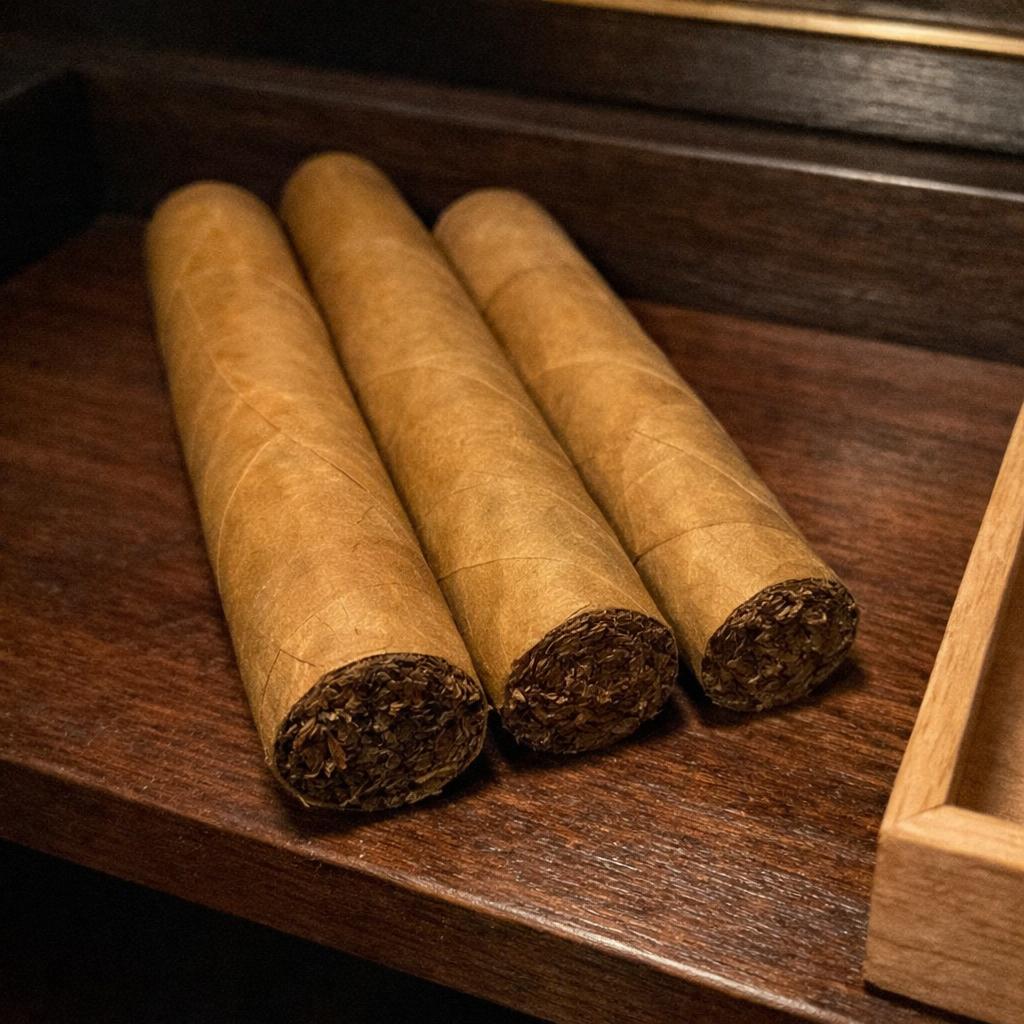
As for what the leaf does in the mouth, the consensus and my own notes agree for once. Cream first, then cedar, almond, a soft bakery sweetness, sometimes a whisper of white pepper on the retrohale. The leaf is thin and fine-veined, which tends to help a cigar burn cool and even, though construction, binder, filler, humidity and your own pace have at least as much say in how a cigar behaves. What the wrapper reliably does is flatter whatever sits beneath it rather than shouting over it.
Cigarro field guide
Three leaves called Connecticut
Similar names. Different farming. Distinct profiles.
Connecticut Shade
Grown
Connecticut River Valley
Under cloth or mesh shade
Leaf
Pale, thin, fine-veined
Silky to the touch
Common notes
Cream, cedar, almond
Soft sweetness
Typical home
Mild to medium blends
Ecuadorian Connecticut
Grown
Ecuador
Under natural cloud cover
Leaf
Golden tan, a touch darker
Often a little more robust
Common notes
Cream, toast, nuts
Gentle sweetness and spice
Typical home
Mild to medium blends
Connecticut Broadleaf
Grown
Connecticut River Valley
In full sun
Leaf
Dark, thick, textured
Fermented long and slow
Common notes
Molasses, earth, dark cocoa
Richer sweetness
Typical home
Medium to full blends
Wrapper is one part of the blend. Binder, filler, vitola, construction and pace also shape body and flavour.
CigarroA Matter of Timing
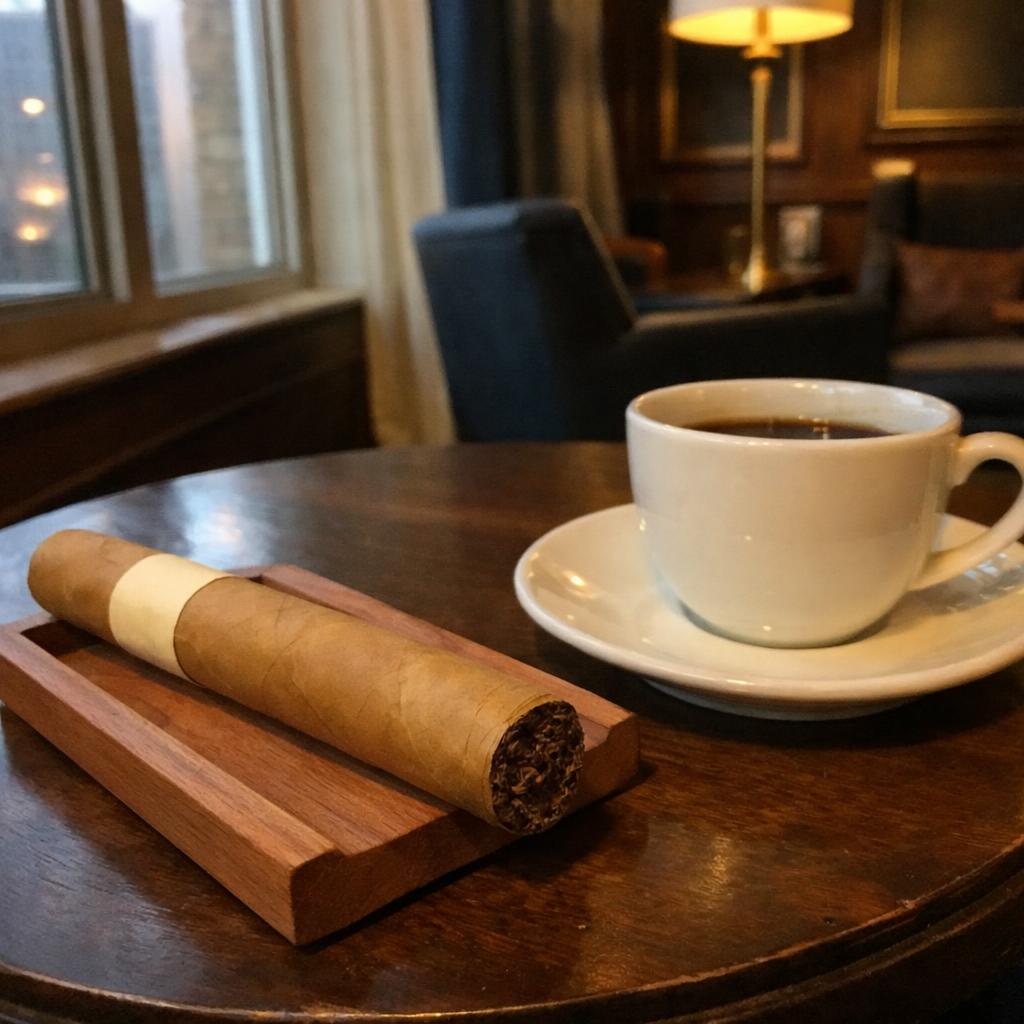
There is an old lounge habit of matching the cigar to the hour, and Connecticut is the reason the morning slot exists at all. A mild, creamy cigar beside a black coffee is one of the quieter pleasures available to a person who is awake before the rest of the house, and the palate is freshest at that hour, which suits a leaf that deals in small notes. If you have been meaning to practise how to taste a cigar properly, start there.
Afternoon calls for the shorter formats. A corona or a rothschild in shade leaf fills the gap between obligations without demanding the full ninety minutes of a toro, which is where the value lane below earns its keep.
The after-dinner Connecticut is the one people forget exists. The aged examples further down, the Ashton Cabinet and the Davidoff Aniversario in particular, have enough polish and length of finish to follow a meal and a pour of something amber without disappearing. Strength and satisfaction are different axes, a point the whole mild category keeps trying to teach us. The one timing rule I hold to: never let anyone talk you into a heavyweight on an empty stomach. Connecticut is the forgiving choice at any hour.
Best Classic Connecticut Cigars
Macanudo Café Hyde Park (5.5 x 49)
The category’s front door, and there is no shame in using it. General’s flagship wears a Connecticut Shade wrapper the company grows for itself, over a Mexican San Andrés binder and a filler of Dominican piloto cubano with a little Mexican leaf. Rolled in the Dominican Republic, mild as a Sunday morning, with cream and a gentle woodiness that never once raises its voice. The Hyde Park is the size my notes describe: a 5.5 x 49 robusto that gives the blend just under an hour to make its unhurried point. Snobs roll their eyes at it precisely because everyone has smoked one. Everyone has smoked one because it works.
Ashton Classic Magnum (5 x 50)
Made for Ashton by the Fuente family in the Dominican Republic, with a golden shade wrapper over Dominican tobaccos aged three to four years. Cashew, cream, a clean cedar line through the middle, and in the Magnum, a 5 x 50 robusto, the proportions feel exactly right. It is the safest gift in the whole category, and I mean that as praise; buying for an enthusiast you barely know is an art, and the Ashton Classic has never embarrassed anyone.
Arturo Fuente Chateau Fuente Natural (4.5 x 50)
The cedar sleeve does half the work before you light it. Underneath sits Connecticut Shade over aged Dominican binder and filler in the original Chateau Fuente format, a 4.5 x 50 short robusto that smokes in three quarters of an hour. Mild to medium, with the cedar aromatics folded into the cream. At an everyday price it remains one of the small miracles of the Dominican industry.
Montecristo White Toro (6 x 54)
Ecuadorian Connecticut over a Nicaraguan binder and a Dominican and Nicaraguan filler. The White carries a little more middle than the American-wrapped classics, cocoa and nut alongside the cream, and the 6 x 54 Toro gives those flavours a long runway. It also photographs well at weddings, which is not nothing.
Oliva Connecticut Reserve Robusto (5 x 50)
The one for people who claim mild means empty. Ecuadorian shade leaf over all-Nicaraguan insides, rolled in Estelí, and the Nicaraguan filler keeps a pulse of almond and white pepper under the cream. The 5 x 50 Robusto is the size to start with, and it sits in the value tier despite smoking above it. If a friend swears they only smoke full-bodied, hand them this and change the subject.
Best Value Connecticut Cigars
Charter Oak Connecticut Shade Rothschild (4.5 x 50)
Nicholas Melillo of Foundation Cigar Company grew up in the valley and built Charter Oak as a tribute to it. The tribute lives in the name and the intent; the wrapper itself is Connecticut-seed shade leaf grown in Ecuador, over a Sumatran binder and Nicaraguan fillers from Estelí and Jalapa, rolled at AJ Fernandez in Nicaragua. That Ecuadorian leaf is part of how it keeps its price honest, and the Rothschild, a 4.5 x 50 short robusto, is the format I reach for. The reviewers at halfwheel judged it exactly what it set out to be, a good cigar at a great price, and I have yet to find the argument against.
Perdomo Reserve 10th Anniversary Champagne Epicure (6 x 54)
The barrel is the trick here. Perdomo finishes its Ecuadorian Connecticut wrappers in bourbon barrels, and the leaf picks up a honeyed, faintly toasty note you will not find elsewhere on this list. Beneath it sit Cuban-seed Nicaraguan binder and fillers aged a minimum of six years. The Epicure, a 6 x 54, gives the sweetness room to develop, and for a cigar with this much finishing work the price stays firmly in weekday territory.
San Cristobal Elegancia Robusto (5 x 50)
A quiet collaboration between two families who know what they are doing: the Levins of Ashton commissioned it, the Garcias of My Father roll it in Nicaragua. Ecuadorian Connecticut over Nicaraguan criollo ’98 and corojo ’99 fillers, and it is the mildest thing in an otherwise muscular house, which shows in the best way. In the 5 x 50 Robusto the Nicaraguan spice is still in the room; it has simply taken its coat off.
Best Fuller-Flavoured Connecticut Cigars
Undercrown Shade Gran Toro (6 x 52)
Drew Estate launched this in 2015 as the first blend Willy Herrera built outside his own Herrera Estelí family, and it took him more than a year to get the leaf where he wanted it. Ecuadorian Connecticut over a Sumatra binder, with Dominican criollo 98 and Nicaraguan corojo and criollo in the filler. The Gran Toro, a 6 x 52 and the line’s flagship size, smokes like a Connecticut written in a bolder hand: cream and cedar up front, then baking spice and a sweetness that holds through the final third, a read halfwheel’s review largely shares. This is the stick I hand to maduro loyalists who claim the pale side has nothing for them.
Southern Draw Rose of Sharon Robusto (5.5 x 54)
A boutique answer to the category, rolled at AJ Fernandez in Nicaragua since 2016 and named for the founder’s wife, which tells you something about the intent behind it. Ecuadorian Connecticut, Nicaraguan binder, Dominican piloto cubano among the fillers. My notes are from the 5.5 x 54 Robusto, and halfwheel’s read on the toro matches them: creamy and lightly sweet with white pepper arriving on the retrohale, and rather more strength than the colour advertises. A Connecticut for the end of the day rather than the start of it.
Best Premium Connecticut Cigars
Ashton Cabinet Selection No. 3 (6 x 47)
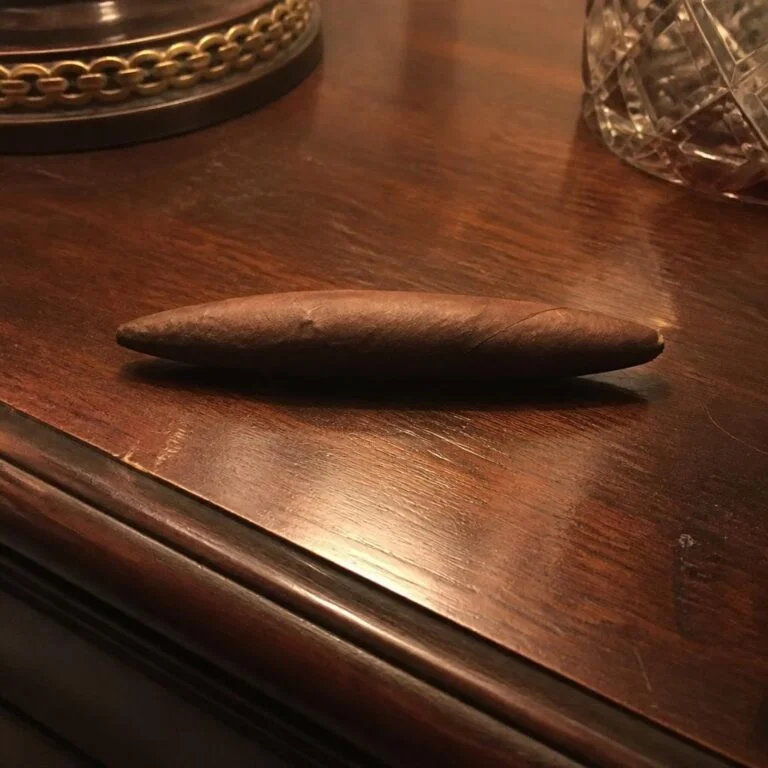
The Classic’s older, better-dressed sibling. Same Dominican house, but the binder and filler spend five to seven years resting before rolling, and the shade wrapper is aged a full year longer than the Classic’s. The No. 3 is a 6 x 47 perfecto, and the tapered shape opens the blend gradually rather than all at once. The extra time rounds everything: oak, cream, coffee bean, a finish that fades out rather than stopping. If you want to taste what patience does to tobacco without changing wrapper families, smoke the Classic and the Cabinet a week apart.
Davidoff Aniversario No. 3 (6 x 50)
The white-label standard bearer. Aniversario is a series rather than a single cigar, introduced in 1986 for Zino Davidoff’s 80th birthday, and its sizes differ in composition, so be precise: these notes are the No. 3, a 6 x 50 toro, with an Ecuadorian Connecticut wrapper over Dominican binder and fillers, piloto and San Vicente among them, aged up to five years. Almond, cedar, restrained spice, and a construction so exact it borders on smug. The price stings and the polish justifies it, in that order. Once a year, at least, it is worth reminding yourself what the ceiling looks like.
The Beginner Question
Newcomers default to Connecticut for sound reasons. The body is forgiving, the flavours arrive in the order promised, and the leaf burns evenly enough that a wobbly first light rarely ruins anything. Nobody’s first evening should be spent wrestling a peppery heavyweight, and our beginner shortlist leans on shade leaf for exactly that reason.
The trouble starts when the category gets filed under beginner and left there. Mildness is a register, not a rank. The Davidoff above costs more than most full-bodied cigars ever will, and it is not priced for novices. Plenty of palates with thirty years on them start and end their week in shade leaf, on purpose, with no apology. If you want the register rather than the wrapper, our round-up of mild cigars worth keeping ranges wider than Connecticut alone.
That said, curiosity is the whole point of this hobby. If the cream has stopped registering and you find yourself smoking on autopilot, that is the signal to wander: a Habano wrapper for spice, a Broadleaf for dark sweetness, and the wider map is drawn in our guide to cigar wrapper types. Wander, take notes, and notice how often you circle back. The shelf you return to without thinking is the one that was yours all along.
Broadleaf, the Foil
Half of understanding Connecticut Shade is knowing its opposite, and the clearest opposite grows in the same soil. Connecticut Broadleaf comes out of the very same river valley, but it is raised in open sun and fermented into something thicker, darker and sweeter. Shade is the valley’s aristocrat; Broadleaf is its blacksmith. One leaf whispers cream and cedar, the other hums molasses, earth and dark chocolate. Connecticut Broadleaf is one of the major leaves used for maduro wrappers, alongside Mexican San Andrés and a handful of Brazilian and Nicaraguan tobaccos, and there is a short primer if the term is new to you.
The two make an instructive pairing rather than rivals. Smoke a shade-wrapped robusto one evening and a Broadleaf maduro the next, same vitola, same hour, same drink, and you will learn more about wrapper influence than a month of reading could teach. If the dark side wins the argument, the best maduro cigars are catalogued and waiting.
One river valley, two entirely different answers to the same question. Farming, it turns out, is a form of blending.
How This List Was Chosen
Twelve lines, one reference size each. The vitola named in every entry is the one the tasting notes describe, because a corona and a gordo from the same line are not the same cigar; body, price and smoking time all move with the format. Blend details are checked against each manufacturer’s published specifications and the spec sheets in halfwheel’s reviews, linked where a claim leans on them. The selection balances four lanes, classic, value, fuller-flavoured and premium, rather than chasing one style of mild, and price tiers in the table reflect typical single-cigar prices at large US online retailers in mid-2026, so treat them as relative rather than gospel. Cigarro accepts no samples, sponsorship or payment from any manufacturer or retailer, so nothing on this list bought its way on. Body and flavour still shift with storage, humidity and pace: treat the table as a map, not a promise, and log your own verdicts as you go.
A Gentler Kind of Serious
A gentle cigar hides nothing. There is no pepper to bury a sour draw, no strength to disguise a hot burn, no fog of ligero to cover a blender’s shortcuts. Smoothness, taken seriously, is the most honest register tobacco has. A Connecticut wrapper rewards a patient draw, which is why it forgives the beginner and still flatters the veteran. That also makes the mild shelf the best practice ground there is for reviewing by thirds: the changes from first third to last are small, and catching small changes is the whole discipline. The Cigarro Method was practically built for cigars like these. Log a few of the twelve above in Cigarro as you go, and let your own notes settle the old argument about whether gentle can be serious. Mine settled it years ago, somewhere between an Ashton and a second coffee.