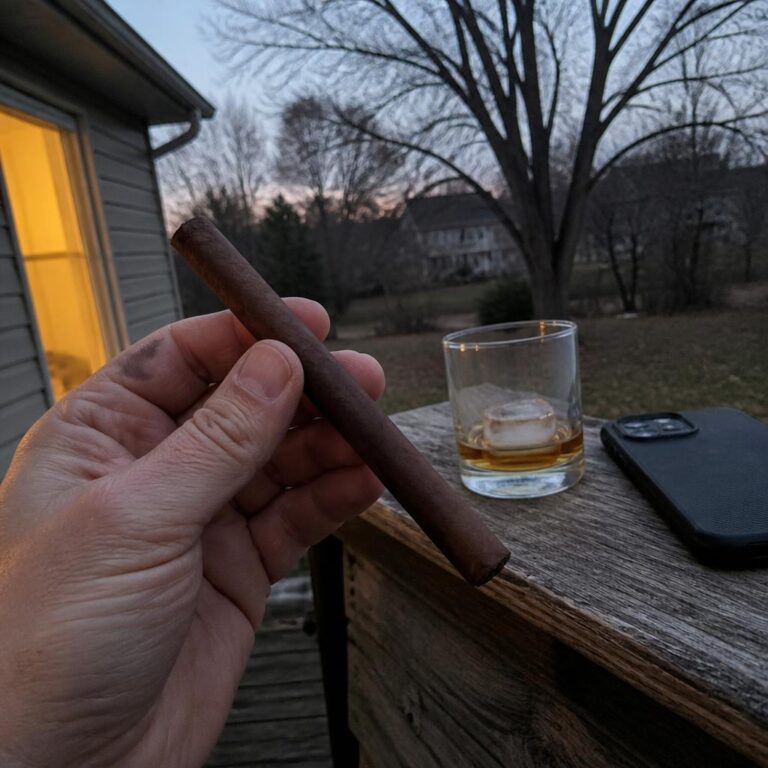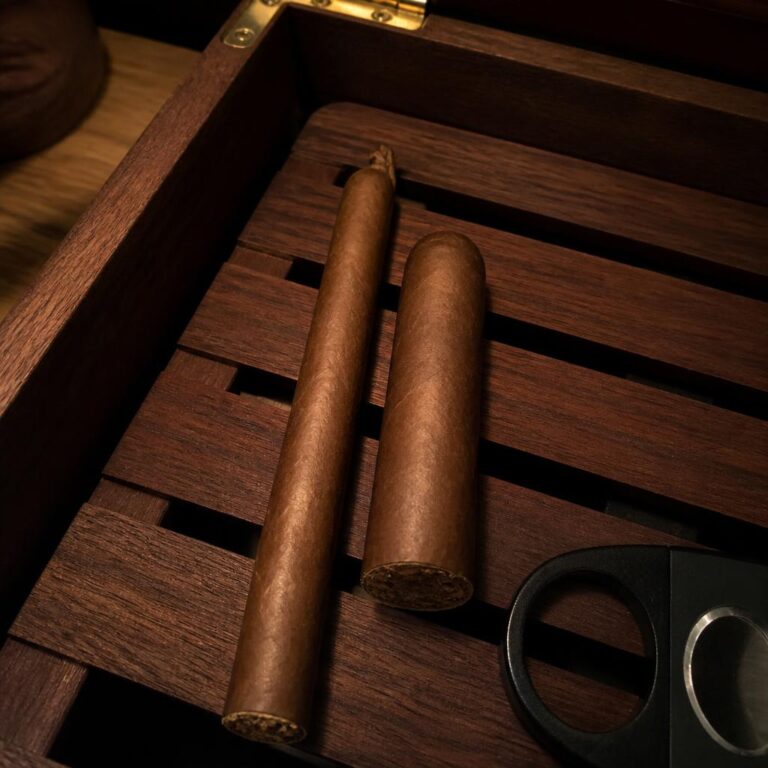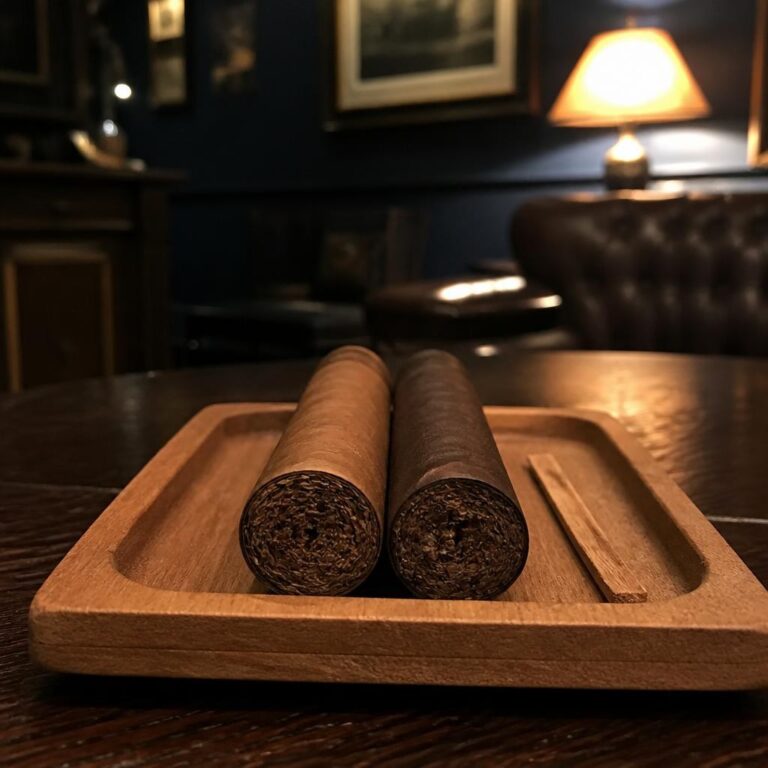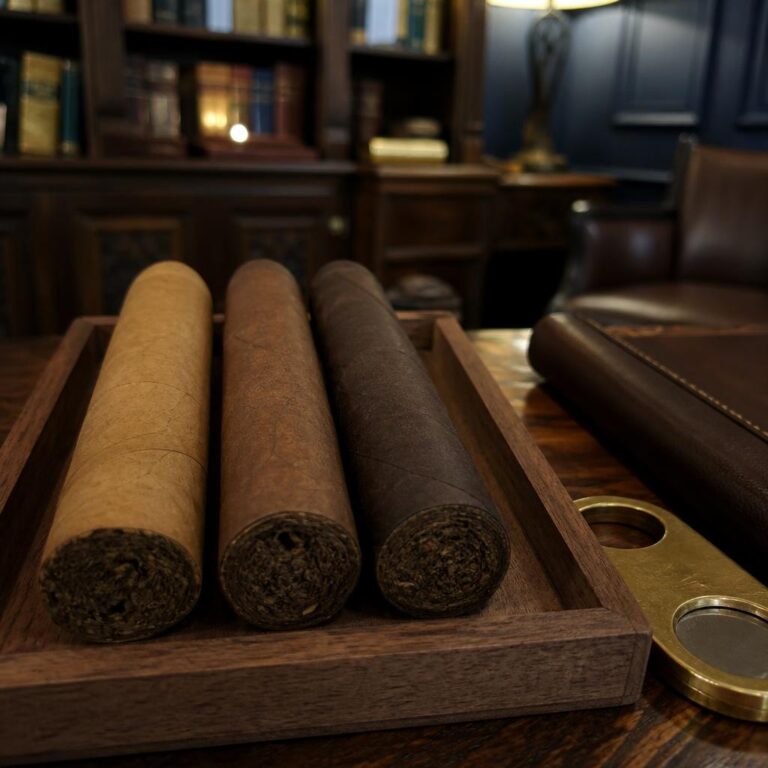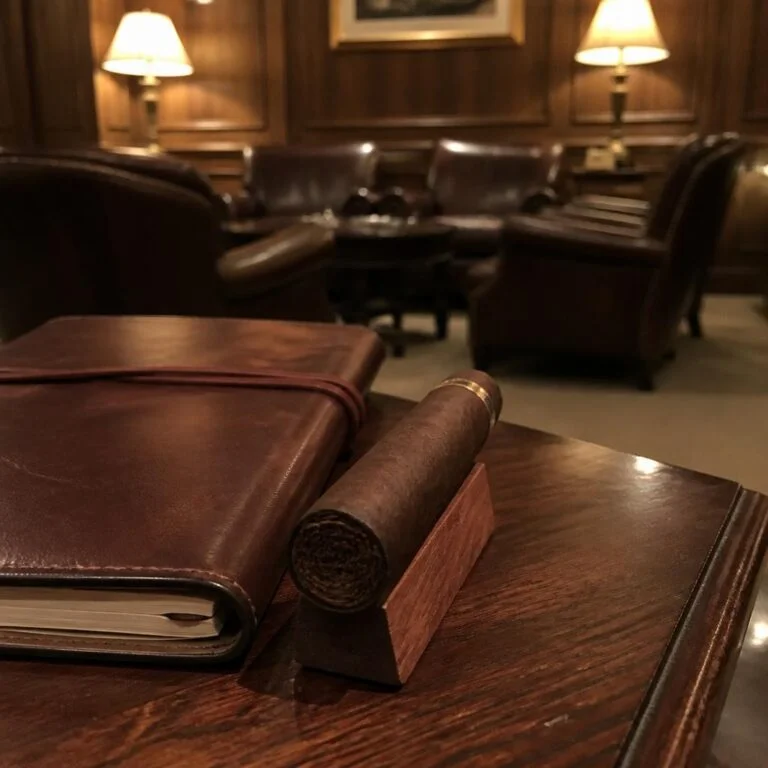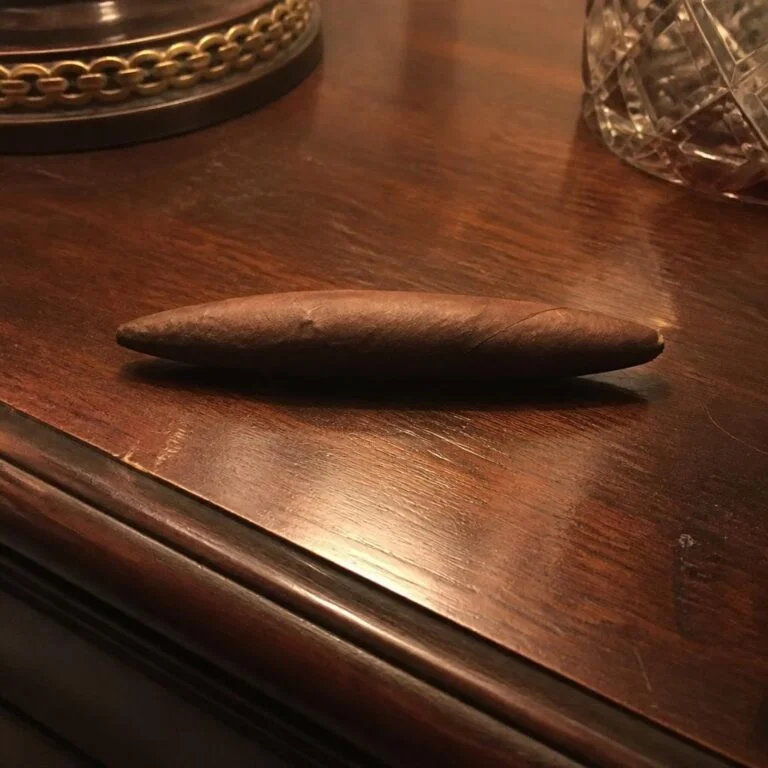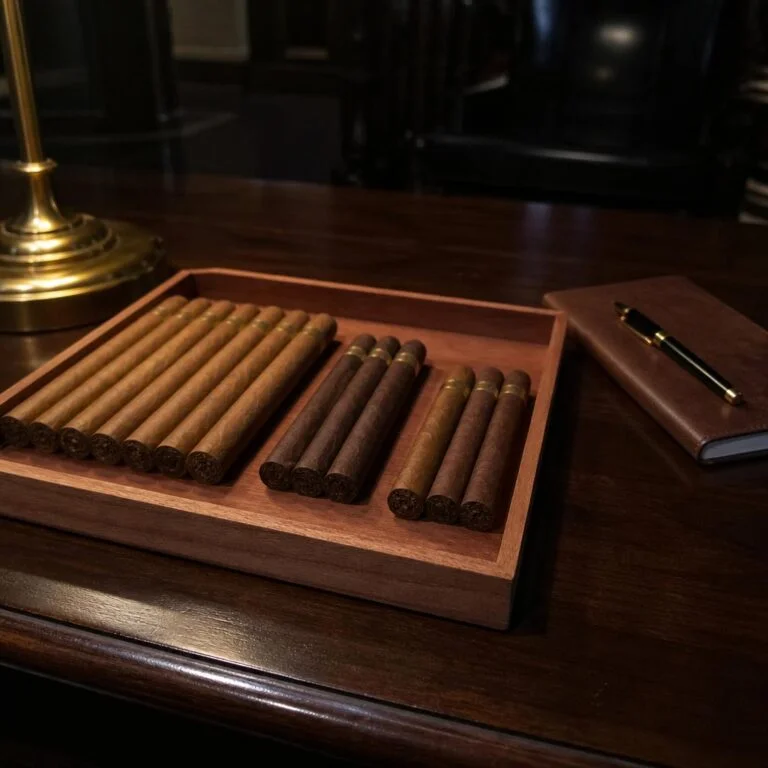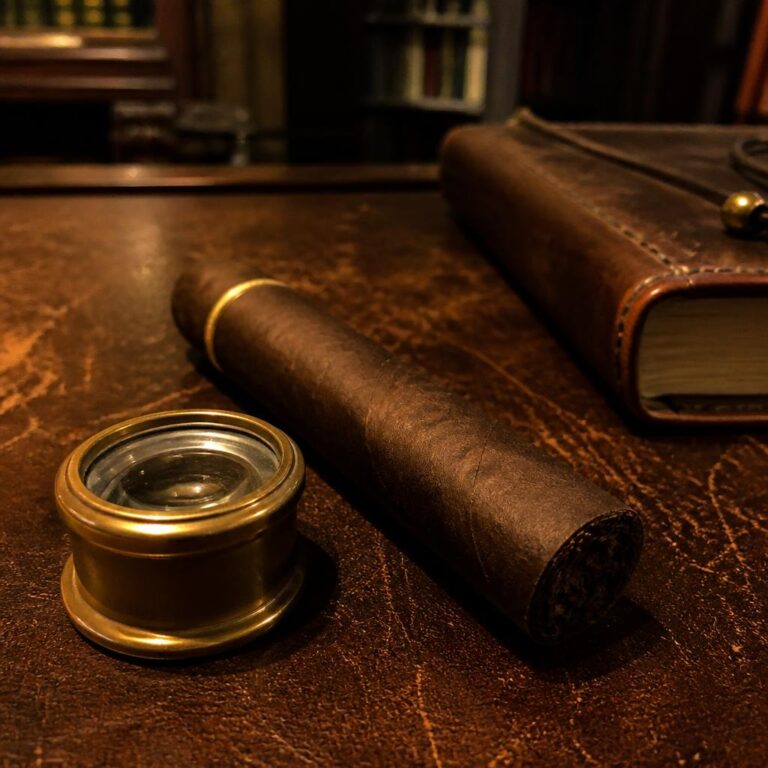
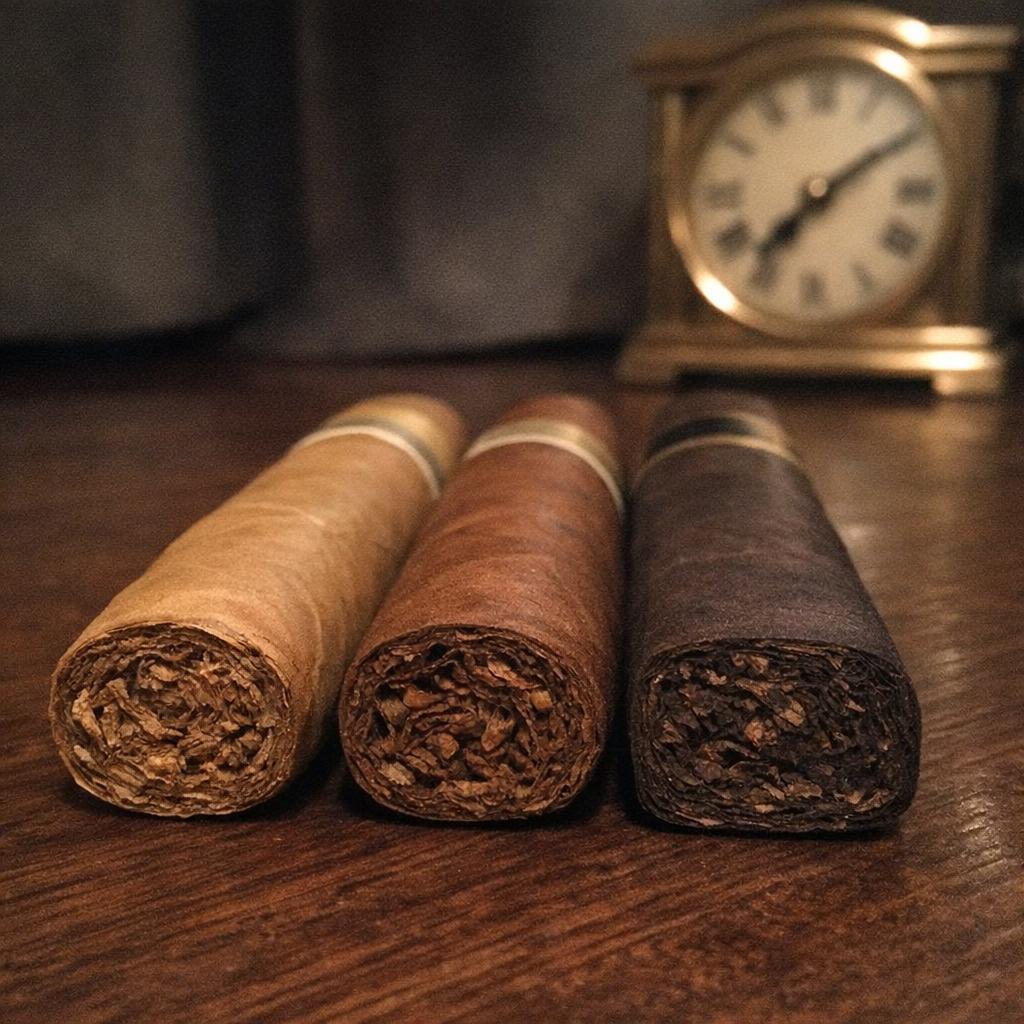
There is no wrong hour to light a cigar, only wrong pairings of cigar to hour. The best time of day to smoke a cigar is whenever you can give it an unhurried stretch of attention, but the clock does shape the choice. A mild cigar suits the morning, when the palate is fresh and easily led. A full-bodied cigar belongs after a meal, when food has steadied you against its strength. The afternoon sits between the two, the most forgiving window of the three. Match the cigar to the hour and the same leaf that would feel thin at midnight can sing at breakfast, while the one that floors you before lunch becomes a quiet triumph after dinner.
What follows is less a rulebook than a set of habits worth borrowing: how your palate shifts across the day, and which cigar earns its place in the morning, the afternoon and the evening.
How your palate shifts across the day
Your sense of taste is not a fixed instrument. It wakes when you do, sharp and uncluttered, and then spends the day being worn down by coffee, food, drink and the steady accumulation of strong flavours. This is why the same cigar reads differently at eight in the morning and eight at night, and why seasoned smokers tend to reach for milder blends early and fuller ones late. Learning how to taste a cigar with proper attention will teach you to feel these shifts for yourself.
In the morning, before the first cup has dulled anything, the palate is at its most sensitive. This is the common counsel of the trade press, and the reason it holds: lighter cigars suit the morning because the senses are sharpest then, and a heavy smoke will simply trample them. A delicate Connecticut-wrapped cigar that might vanish after dinner shows all of its subtlety at this hour.
By evening the palate is tired, but the setting more than makes up for it. A full meal has lined the stomach, the day’s obligations are behind you, and there is finally time. A tired palate handles a strong cigar better than a fresh one does, and the ritual of the thing carries the rest. The trick is to stop fighting the clock and smoke with it.
Morning
The unhurried start
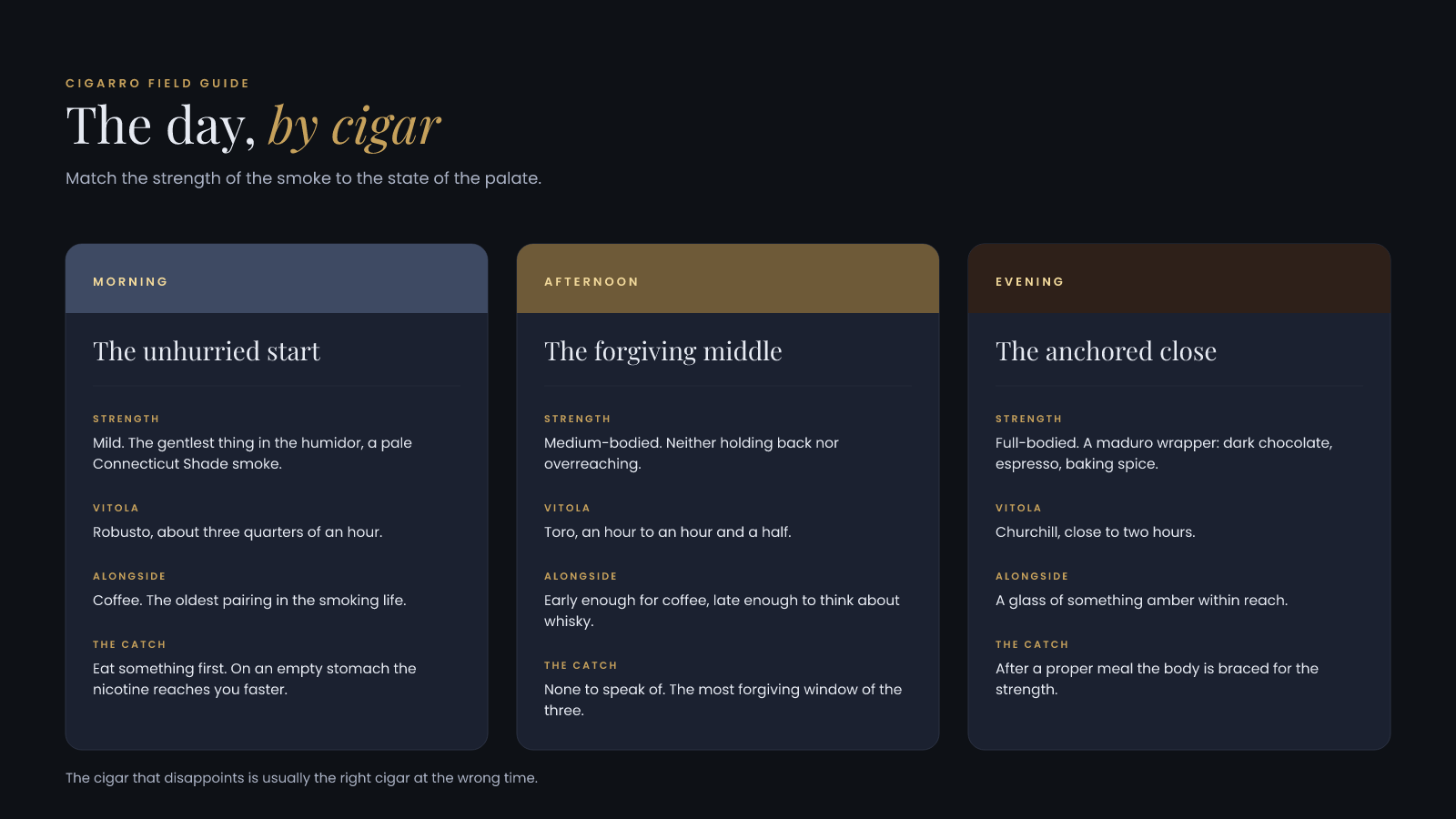
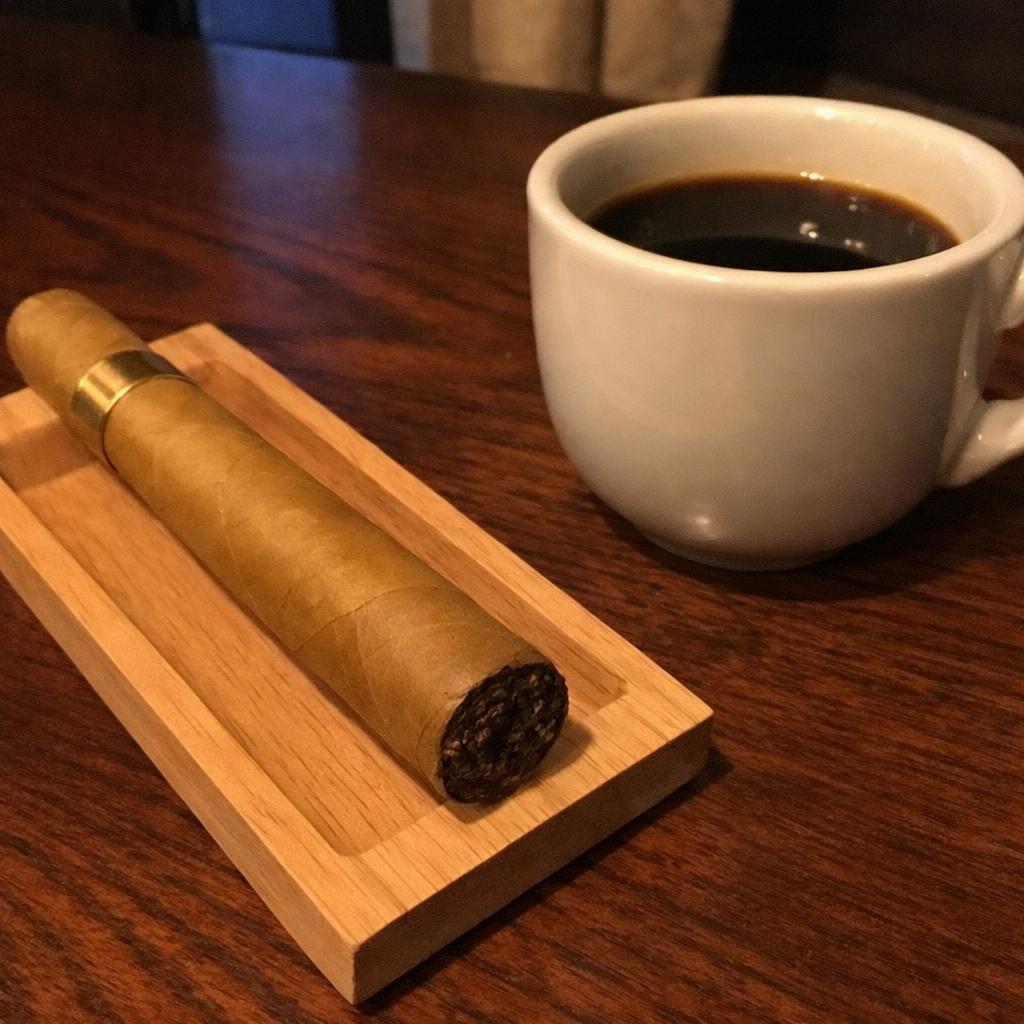
The morning cigar is an act of optimism, and it asks for restraint. On a fresh palate and, more to the point, an empty stomach, a strong cigar is a poor idea. Stronger blends carry more nicotine, and on an empty stomach that nicotine reaches you faster, which is how a promising morning turns into a lightheaded one. The fix is simple: eat something first, even a little, and keep the cigar mild.
This is the hour for a pale Connecticut Shade smoke, the gentlest thing in the humidor. Something like the Macanudo Café, a reliably smooth cigar of cream and toasted nut, asks nothing of a waking palate and gives back plenty. Set it beside a cup of coffee and you have the oldest pairing in the smoking life; if you want the full logic of that match, the coffee pairings lay it out. Keep it short, too. A robusto smokes in about three quarters of an hour, which is roughly all a morning will spare.
Afternoon
The forgiving middle
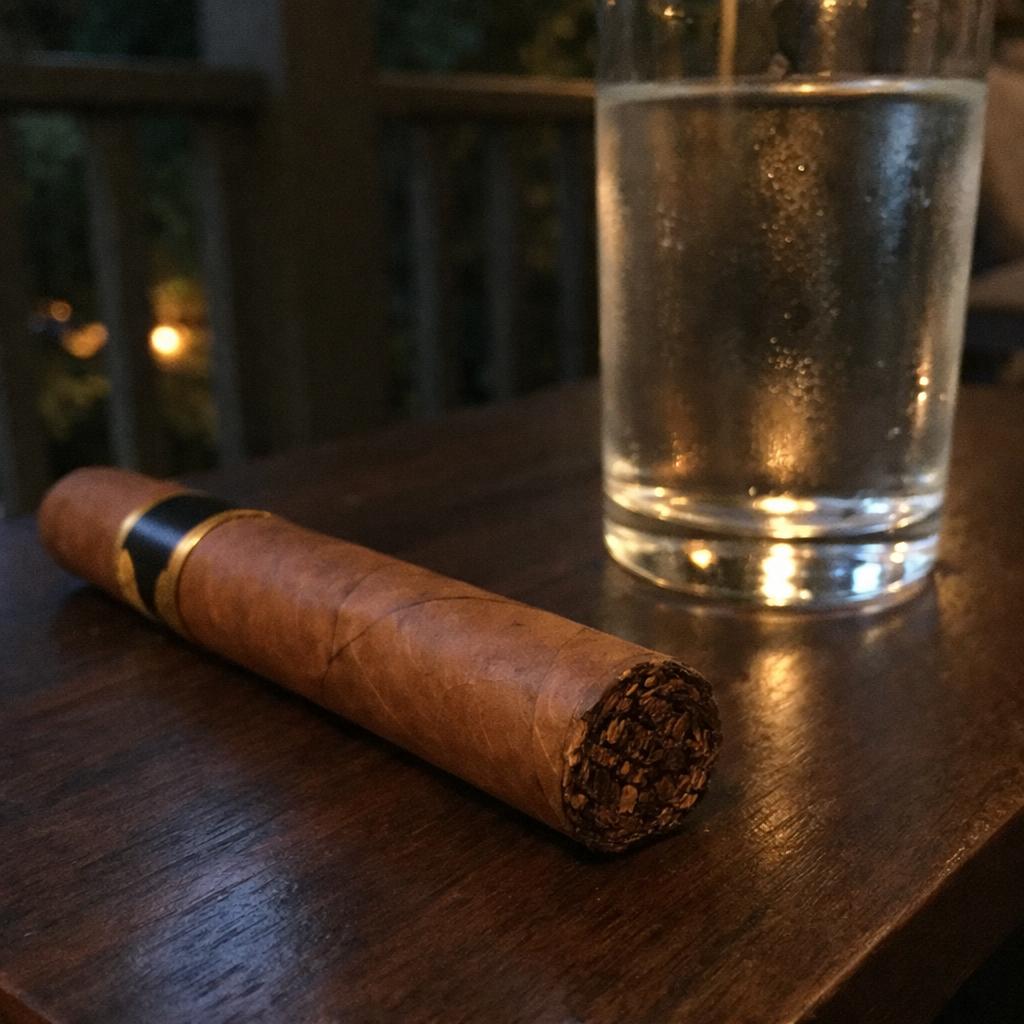
The afternoon is the most forgiving window, and the least demanding. The palate has woken fully but not yet tired, the stomach is no longer empty, and there is usually no meal pressing on either side. This is when a medium-bodied cigar is exactly right, neither holding back as a morning smoke must nor overreaching as an evening one can.
It is also the natural home of the longer cigar. A toro, an hour to an hour and a half of smoke, fits an unhurried afternoon better than any other slot in the day, with the time to let it open through its first, second and final thirds. A medium Ecuadorian Habano or a well-built Nicaraguan toro suits the hour, and if you mean to pour something alongside, the afternoon is early enough for coffee and late enough to begin thinking about whisky. It is the window where you can simply enjoy the cigar rather than manage it.
Evening
The anchored close
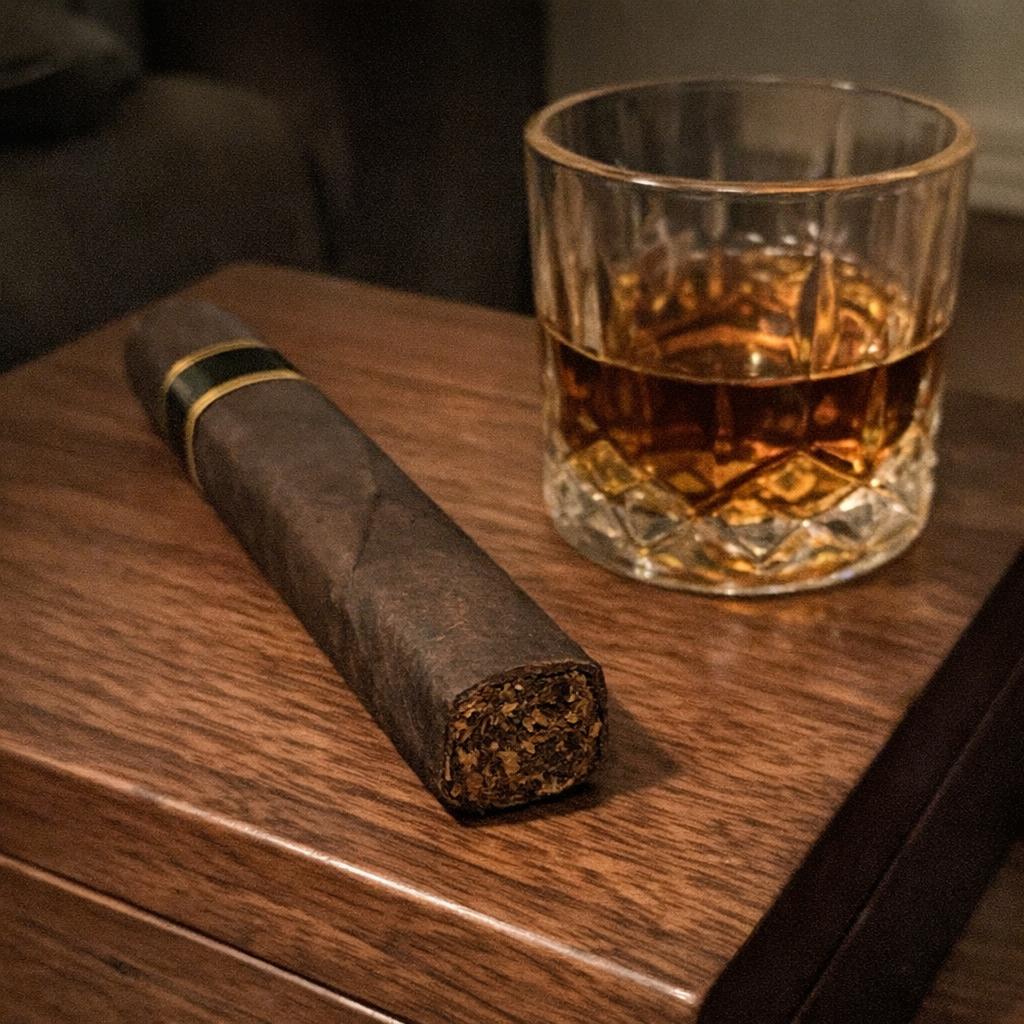
The evening cigar is the one most people picture, and for good reason. After a proper meal the body is braced for strength, the day’s work is finished, and an hour or two is finally yours to spend. This is when a full-bodied cigar comes into its own, the dark, rich blend that would have flattened you at breakfast and now simply rewards you.
A maduro wrapper is the classic evening dress, tending toward dark chocolate, espresso and baking spice. A box-pressed Nicaraguan puro, or a San Andrés maduro after dinner with a glass of something amber within reach, is the cigar most worth slowing down for. Give it the long vitola the hour can afford: a churchill runs close to two hours, and on an unhurried evening those two hours are the entire point. Whatever you light, this is the smoke to review properly. Sit it down with the Cigarro Method, take it by thirds, and log the night in Cigarro so the cigar that anchored a good evening can do it again.
Smoke with the clock, not against it
The honest answer to the question is that the best time to smoke a cigar is the time you actually have, given freely and without one eye on the clock. The morning, the afternoon and the evening each ask for a slightly different cigar, but they share a single requirement: a stretch of attention you are willing to spend. Match the strength of the smoke to the state of your palate and your stomach, give the longer vitolas to the longer hours, and you will rarely choose wrong. The cigar that disappoints is usually the right cigar at the wrong time.