By Hugh Ashby · Updated August 2026
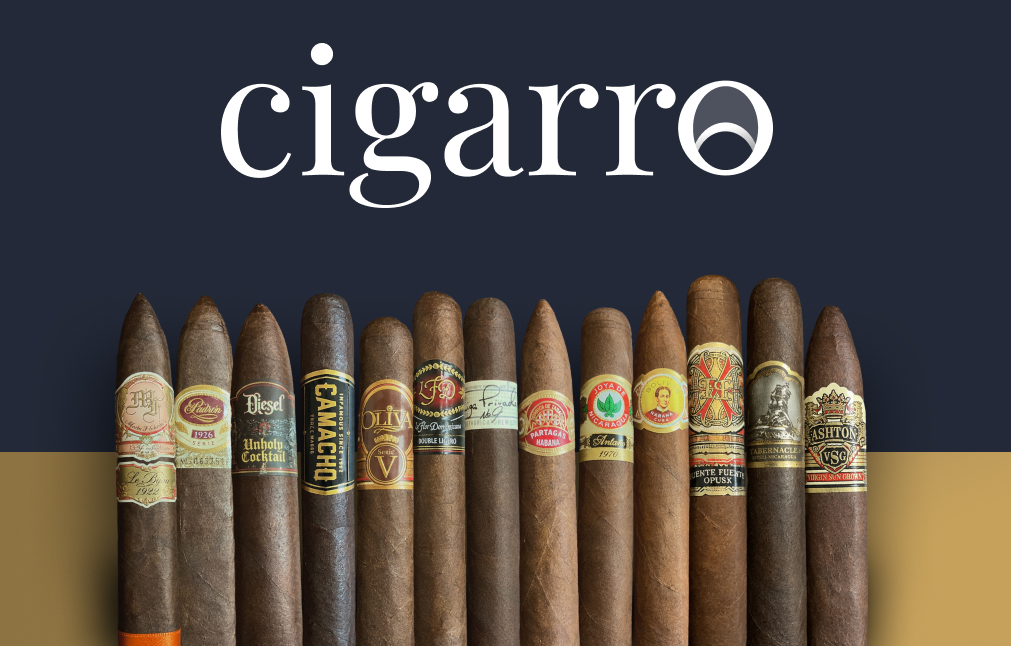
If you want the short version: the Liga Privada No. 9 is the modern benchmark, the Joya de Nicaragua Antaño 1970 is the value play, the Partagás Serie P No. 2 is the Cuban argument, and the Fuente Fuente OpusX is the one worth queueing for. The full thirteen below run from bundle money to allocation lists, with the exact vitola my notes describe wherever I have one pinned.
Now the vocabulary, because this is the most mislabelled shelf in the shop. Full-bodied is a claim about body, and body is the weight of the smoke on your palate. Strength is the nicotine underneath it. Flavour intensity is how loudly the notes speak. A full-bodied cigar delivers thick, dense smoke; whether it also delivers a nicotine wallop is a separate question, and whether it deserves your evening is a third. The list below treats volume as a register to be played well, not a dare to be survived. Plenty of these cigars are polite. None of them is quiet.
| Cigar | Vitola | Wrapper | Body | Flavours | Price | Time | Best for |
|---|---|---|---|---|---|---|---|
| Padrón Serie 1926 | No. 2 Belicoso, 5.5 x 52 | Nicaragua (natural or maduro) | Full | Cocoa, espresso, black pepper | $$$ | 50 to 65 min | The reference point |
| Liga Privada No. 9 | Toro, 6 x 52 | USA (Connecticut Broadleaf) | Full | Dark chocolate, black coffee, earth | $$$ | 60 to 75 min | The modern benchmark |
| My Father Le Bijou 1922 | Torpedo Box Pressed, 6.125 x 52 | Nicaragua (Habano Oscuro) | Full | Cocoa, wood, building pepper | $$ | 65 to 80 min | The sensibly priced trophy |
| Oliva Serie V | Double Robusto, 5 x 54 | Ecuador (Habano Sun Grown) | Medium-full to full | Dark caramel, espresso, late spice | $$ | 50 to 65 min | The bridge to full |
| Joya de Nicaragua Antaño 1970 | Robusto Grande, 5.5 x 52 | Nicaragua (H. Criollo, sun grown) | Full | Earth, cedar, black pepper | $$ | 55 to 70 min | The value heavyweight |
| Diesel Unholy Cocktail | Belicoso, 5 x 56 | USA (Pennsylvania Broadleaf) | Full | Charred oak, earth, sweet spice | $ | 50 to 65 min | Bundle-money muscle |
| Camacho Triple Maduro | Robusto, 5 x 50 | Mexico (San Andrés maduro) | Full | Dark chocolate, molasses, pepper | $$ | 45 to 60 min | Maduro three ways |
| La Flor Dominicana Double Ligero | DL-654, 6 x 54 | Ecuador (Sumatra, sun grown) | Full | Leather, roasted nut, standing spice | $$ | 60 to 75 min | The strength test |
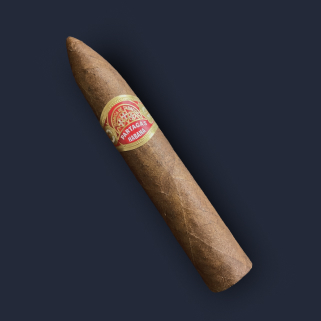
| Partagás Serie P No. 2 | Pirámide, 52 x 156 mm | Cuba | Full | Earth, wood, dark coffee | $$$$ | 60 to 75 min | The Cuban argument |
| Bolívar Belicosos Finos | Belicoso, 52 x 140 mm | Cuba | Full | Earth, cocoa, muscular spice | $$$$ | 50 to 65 min | Old-school Havana muscle |
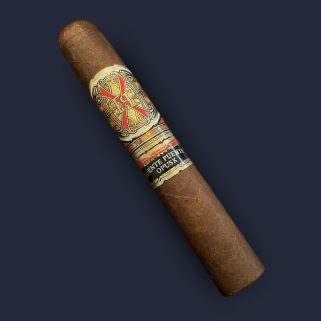
| Fuente Fuente OpusX | Whichever you are offered | Dominican Republic (Chateau de la Fuente) | Full | Cedar, spice, floral sweetness | $$$$ | 60 to 90 min | The allocation list |
| Foundation Tabernacle | Toro, 6 x 52 | USA (Connecticut Broadleaf) | Full | Dark chocolate, earth, sweet spice | $$ | 60 to 75 min | The boutique pick |
| Ashton VSG | Torpedo, 6.5 x 55 | Ecuador (sun grown) | Full | Leather, earth, dark cedar | $$ to $$$ | 75 to 90 min | The polished heavyweight |
What Full-Bodied Actually Means
The trade sorts every cigar along three axes, and the loud shelf is where muddling them costs you real money. Body is texture, the sheer weight of smoke in the mouth; think of the difference between espresso and filter coffee long before you argue about the beans. Strength is chemistry, the nicotine load and what it does to your evening. Flavour intensity is volume, how insistently the notes present themselves. The three usually climb together, and nothing obliges them to. The trade’s own education pages make the same point: a cigar can be full-bodied and mannerly, or medium-bodied with a kick that arrives twenty minutes after you stood up.
Full-bodied, used properly, is a texture claim. It promises dense, chewy smoke that fills the palate and stays there between draws. It does not promise harshness; harshness is a fault of young tobacco or hot smoking, not a badge of seriousness. And it has nothing to do with colour. A dark wrapper is fermented longer for sweetness and depth, a point our primer on what maduro actually means handles properly, and some of the strongest cigars ever rolled wear medium-brown coats.
The practical reason to keep the axes separate is your own notebook. Log a cigar as “full” when you mean “peppery”, or “strong” when you mean “thick”, and your notes stop being useful within a month. Learning to taste a cigar with the three dials separated is what turns the loud shelf from a gauntlet into a menu.
Earning the Volume
Full-bodied cigars are for two kinds of smoker, and only one of them is ready. The first has been at this a while: their palate registers a good medium as pleasant background, they finish dinner wanting something that argues back, and half their humidor already leans dark. The second is eighteen months in, has heard that serious people smoke serious cigars, and is about to learn what ligero does on an empty stomach.
If you are the second, the shelf will wait. Come up through medium-full: the Oliva Serie V below is the classic bridge, the maduro shelf is the classic route, and the two big origin schools behind most of these blends are mapped in this guide. Eat properly first; the retail education pages say the same thing every old hand will, that a substantial meal beforehand is the difference between enjoying a heavyweight and being carried by it. And smoke slower than feels natural. A hot draw makes any full cigar taste angrier than its blender intended.
Know, too, that the volume knob turns both ways. The best mild cigars are not this list’s opposite so much as its counterweight, the same craft at a different register. The good smoker owns both shelves and knows which evening asks for which.
The Benchmarks
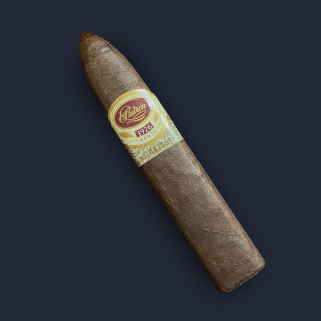
Padrón Serie 1926 No. 2 Belicoso (5.5 x 52)
Padrón created the Serie 1926 in 2002 to mark José Orlando Padrón’s 75th birthday, and it still smokes like an anniversary present: an all-Nicaraguan blend aged around five years, box-pressed, offered in natural and maduro and superb in both.
Cocoa, espresso and black pepper arrive in that order to my palate, delivered with a draw so composed it borders on smug. The No. 2 belicoso at 5.5 by 52 bunches all that aged tobacco into a tapered head you cut to suit yourself. Expect to pay high teens a stick, and expect to consider it fair by the final third.
This is the reference point the rest of the loud shelf gets measured against.
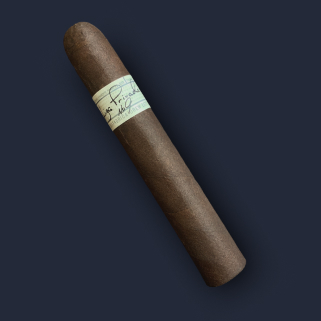
Drew Estate Liga Privada No. 9 Toro (6 x 52)
The cigar that taught a generation what full-bodied could mean without a single rough edge. Drew Estate builds the No. 9 around a Connecticut Broadleaf wrapper, stalk-cut and cured in the old Broadleaf way, over a Brazilian Mata Fina binder and a Honduran and Nicaraguan core.
It was blended during Steve Saka’s tenure and has been short on shelves more or less continuously since its 2007 release. Dark chocolate, black coffee and turned earth in my logs, with a room note that announces you from the hallway. The Toro at 6 by 52 is the flagship expression.
It sits in our maduro guide as well; some cigars refuse to stay in one list.
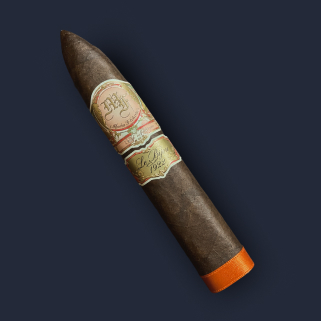
My Father Le Bijou 1922 Torpedo Box Pressed (6.125 x 52)
The García family rolls this Nicaraguan puro at their Estelí factory under a wrapper the house lists, with a straight face, as Habano Oscuro Oscuro: dark, then darker. The line honours Don Pepín García’s father, born in 1922, and this vitola took Cigar Aficionado’s Cigar of the Year in 2015 at 97 points, which is roughly when the queue started.
Cocoa, wood and a pepper that builds through the thirds rather than shouting from the first inch. At 6.125 by 52 it is a proper evening’s commitment, and at eleven or twelve dollars a stick it remains one of the most sensibly priced trophies in the hobby.
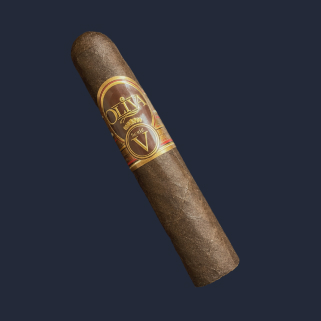
Oliva Serie V Double Robusto (5 x 54)
Strictly, the merchants list Serie V at medium-full, and strictly they are right; it earns its seat here because it teaches you what the far end tastes like while you can still take notes.
An Ecuadorian Habano Sun Grown wrapper sits over a Jalapa-grown core deliberately heavy with ligero, in production since June 2007 and consistent enough to buy by the box unsniffed. Dark caramel, espresso and a late pepper flourish. The Double Robusto at 5 by 54 concentrates the blend nicely and stays under the hour.
If the rest of this page reads like a locked door, this is the key under the mat.
Big Flavour, Fair Money
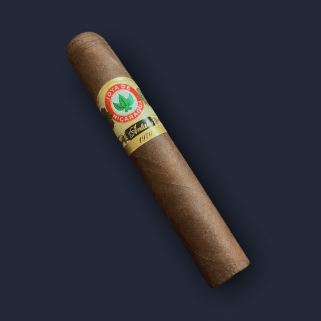
Joya de Nicaragua Antaño 1970 Robusto Grande (5.5 x 52)
Joya de Nicaragua’s own site rates the Antaño 1970 five out of five for strength, which is the rare case of a marketing department underselling by telling the plain truth. A Nicaraguan puro under a sun-grown Habano Criollo wrapper, built to smoke the way Nicaragua made its reputation: earth, cedar and black pepper with the volume set high and left there.
The Robusto Grande at 5.5 by 52 runs about an hour, and singles hover either side of ten dollars, which for this much cigar amounts to a clerical error in your favour. When someone asks what Nicaraguan full-bodied means, this is the shortest honest answer.
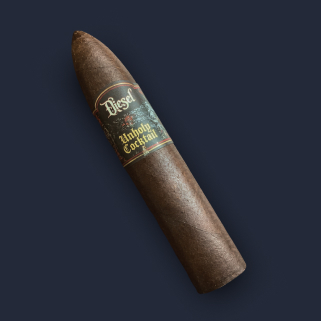
Diesel Unholy Cocktail Belicoso (5 x 56)
A five-dollar belicoso from A.J. Fernández’s Estelí operation wearing Pennsylvania Broadleaf, which is the wrapper equivalent of arriving at the dinner party in work boots and outdressing half the room. Charred oak, dark earth and a sweet spice through the nose, over a Nicaraguan core drawn from Jalapa, Condega and Estelí.
The 5 by 56 format smokes longer than it looks and forgives an aggressive cut. Nobody will compliment the band. That is half the pleasure. Keep five in the bottom drawer for the evenings when lighting a Padrón would feel like burning furniture.
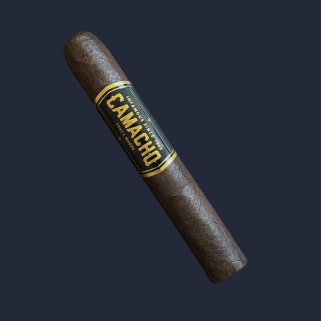
Camacho Triple Maduro Robusto (5 x 50)
Maduro wrapper, maduro binder, maduro filler: when Camacho says Triple, it is an inventory, not a boast.
The trade press credits it as the first all-maduro cigar, rolled in Danlí, Honduras under a Mexican San Andrés wrapper, and it smokes exactly as advertised, dark chocolate, molasses and black pepper in a robusto that never once glances toward subtlety. Our Honduran cigars guide covers why Danlí turns out this kind of muscle. At 5 by 50 and roughly a dozen dollars, it is the easiest introduction on this list to what stacked maduro leaf actually does, provided you have eaten first.
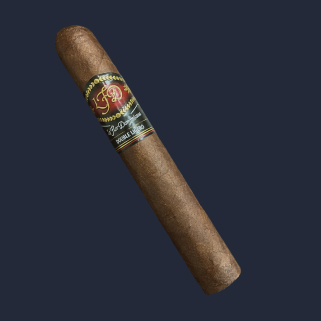
La Flor Dominicana Double Ligero DL-654 (6 x 54)
Litto Gomez names his cigars the way he blends them, without euphemism. Double Ligero means a doubled ration of the strongest leaf on the plant, grown on his own Dominican farm, under an Ecuadorian sun-grown Sumatra wrapper.
The DL-654 at 6 by 54 delivers leather, roasted nut and a spice that keeps its hand raised for two hours. This is the strength test of the list, full-bodied and genuinely strong at once, the distinction the first section was preparing you for. Around ten dollars, absurdly, and also available with the famous wedge-shaped Chisel head if you fancy the strangest cut of your year.
The Cuban Corner
Partagás Serie P No. 2 (pirámide, 52 x 156 mm)
Habanos positions Partagás plainly for lovers of full flavour, and the Serie P No. 2 is the marca’s modern proof: a pirámide of 52 ring gauge by 156 millimetres, introduced in 2005, smoking of earth, wood and dark coffee with that unmistakable Havana tang underneath.
It is among the fullest things in the current Cuban catalogue and among the easiest to recommend from it. At legal retail outside the United States a single will cost you north of forty dollars, with duty doing much of the lifting, so let it be an occasion cigar.
Cut the head narrow and let it open across the thirds.
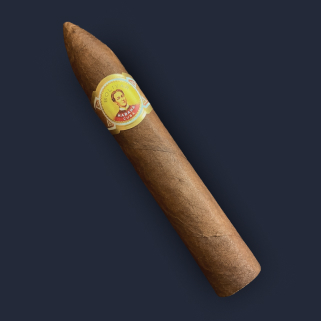
Bolívar Belicosos Finos (52 x 140 mm)
Habanos describes Bolívar as one of its strongest and most full-flavoured marcas, which from a catalogue that measures itself in understatement is practically a warning label.
The Belicosos Finos, 52 by 140 millimetres with the tapered campana head, is the expression the old hands keep in the back of the box: earth, cocoa and a muscular spice that asks for a slow draw and repays it. Like its Partagás neighbour it prices as an occasion at legal retail outside the United States. Smoke it after your largest dinner of the month, with nothing planned afterwards except sitting still.
The Step-Up Shelf
Fuente Fuente OpusX
The Fuente family planted Cuban-seed wrapper at Chateau de la Fuente in 1992, when received wisdom said the Dominican Republic could not grow wrapper leaf worth rolling, and released the OpusX in 1995 as the rebuttal.
A Dominican puro, full-bodied in a high register all its own: cedar, spice and an odd floral sweetness that has no business working and does. It remains allocated three decades on, which is why the table above lists the vitola as whichever one you are offered. Expect prices from about thirty five dollars when you find one.
Buy two, smoke one now, and let the other rest; this blend repays patience more than almost anything else on this page.
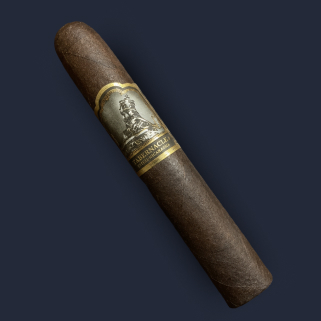
Foundation Tabernacle Toro (6 x 52)
Nicholas Melillo founded Foundation Cigar Co. in 2015, and the Tabernacle is its dark centrepiece: Connecticut Broadleaf over a Mexican San Andrés binder, with Nicaraguan filler from Estelí and Jalapa joined by Honduran leaf from the Jamastran valley. The result is a quiet kind of powerful, dark chocolate, earth and a sweet spice that never tips into sugar.
The Toro at 6 by 52 is the reference; the Robusto at 5 by 50 does the same work in less time. Singles run eleven to sixteen dollars depending on where you shop. Of the boutique full-bodied wave of the last decade, this is the one I reach for most.
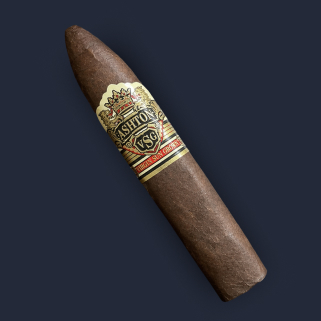
Ashton VSG Torpedo (6.5 x 55)
Ashton introduced the Virgin Sun Grown in 1999, with a wrapper grown in Ecuador on a farm owned by the Oliva Tobacco Company, the Tampa leaf-growing family, no relation to the Serie V house above. Underneath sit aged Dominican binder and filler, rolled at the Fuente factory in the Dominican Republic.
It is the most polished heavyweight of the thirteen: leather, earth and dark cedar with every seam pressed. The Torpedo at 6.5 by 55 is a ninety-minute commitment and my preferred format, though the smaller vitolas keep the character. Sticks run twelve to sixteen dollars, which for Fuente-made construction at this weight is one of the quiet bargains on the loud shelf.
Ligero, the Engine Room
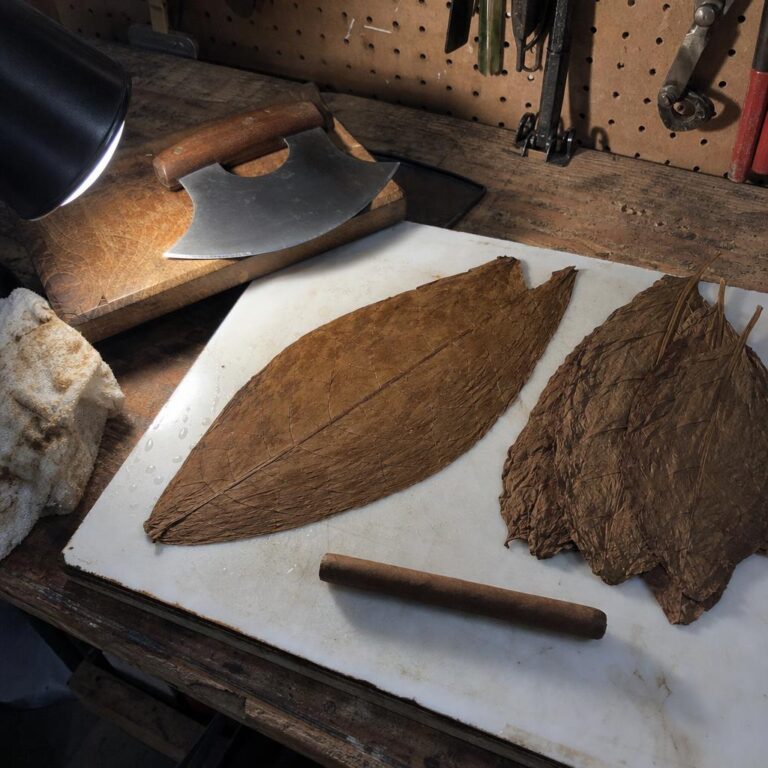
Most of the muscle on this page comes from one leaf. Ligero grows at the top of the tobacco plant, takes the most direct sun, and comes off the stalk last, thicker and darker than anything below it. It carries the highest concentration of nicotine and burns slowest, which is why blenders ration it carefully inside the filler bunch. Fold in more and the cigar gains weight, pepper and persistence; fold in too much and the thing bites, burns unevenly and goes out. The craft in every cigar above is proportion, not bravado.
If you want the full architecture of what sits where inside a cigar, our anatomy guide walks through it leaf by leaf. For tonight, the useful takeaway is this: when a full-bodied cigar turns harsh, the fault is usually heat or youth, and when it stays composed at volume, somewhere a blender counted their ligero like a pharmacist.
Espresso and Dark Spirits
A full-bodied cigar is an after-dinner instrument. The education pages at the big US retailers give the same counsel every experienced smoker will: eat something substantial first, because a heavyweight on an empty stomach stops being pleasure and starts being arithmetic. Evening also suits the pace. These are sixty-to-ninety-minute cigars, and hurrying one is the most reliable way to make it taste worse than it is.
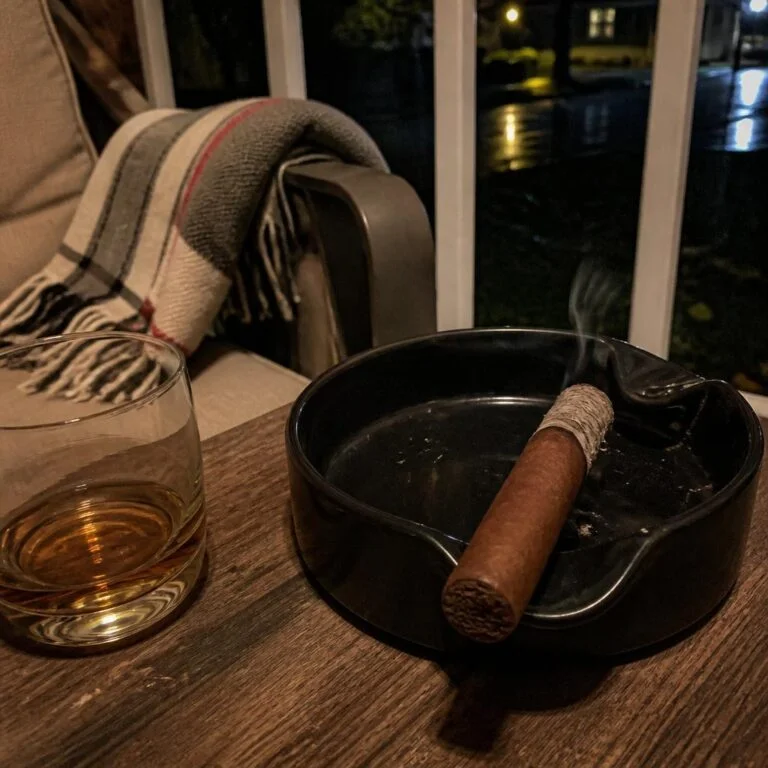
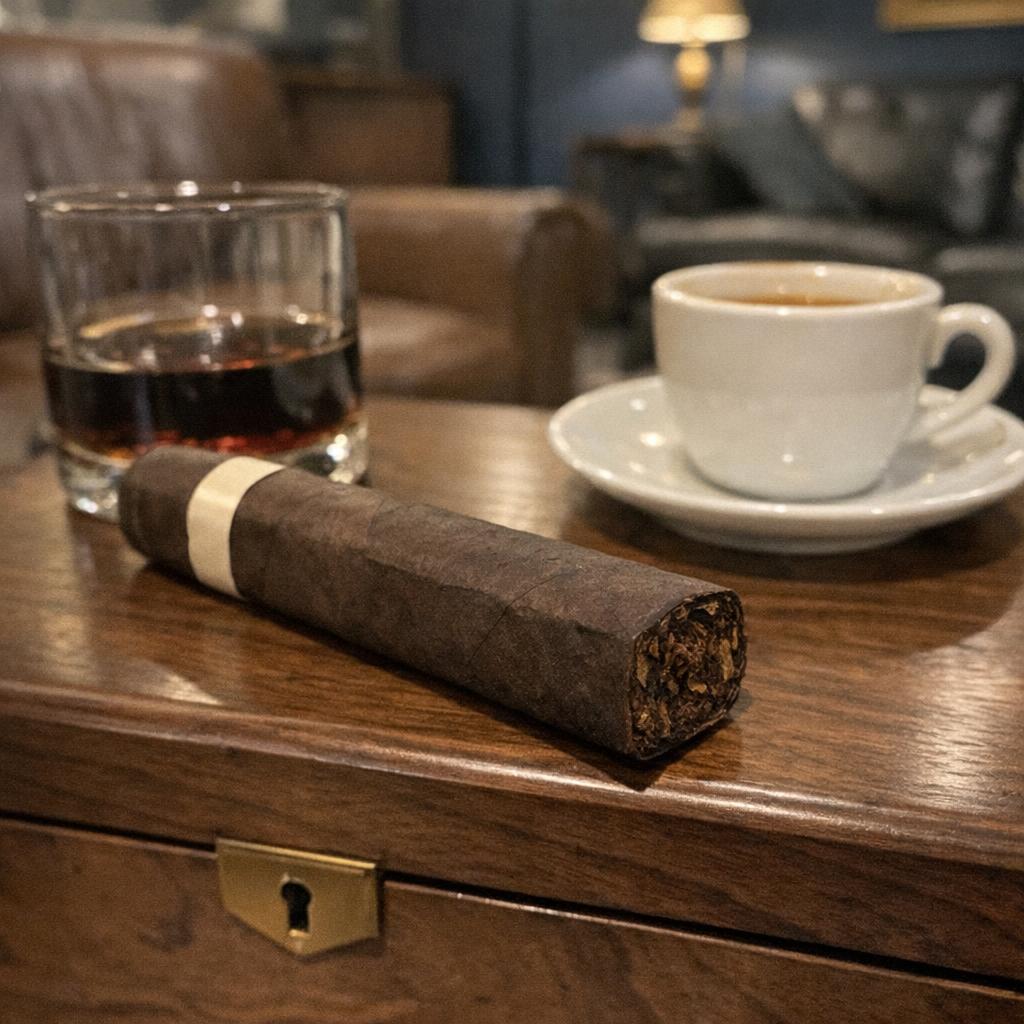
On the glass, match intensity to intensity. The pairing guides are unanimous that dark, aged spirits carry full-bodied smoke best: an aged rum with enough molasses to answer a Broadleaf wrapper, or a bourbon whose vanilla and caramel meet a San Andrés maduro halfway. Espresso is the daytime exception, and a short bitter coffee alongside the darker half of this list is the pairing I would defend in court. Anything delicate simply surrenders; a lager under a Double Ligero is a rounding error. If the drink cannot be heard over the cigar, the pairing has failed in one direction. If the cigar disappears, it has failed in the other.
How This List Was Chosen
Every cigar here was smoked and logged in thirds, the way The Cigarro Method teaches, because full-bodied cigars are precisely where the thirds matter most; the whole category tends to build, and a review that averages the whole cigar misses the plot. Selection favoured cigars in steady production that a reader can actually buy, at least one in every price band, and body as the organising principle rather than wrapper, vitola or country.
That framing matters for the overlaps. The 1926, the No. 9, the Le Bijou, the Serie V, the VSG and the Antaño all appear in our robusto or maduro guides in their own categories, and pretending otherwise to seem original would insult you. Where a maker or merchant lists a cigar at medium-full, I have said so and told you why it is here anyway. Flavour notes in the table are my own logs, not gospel. Price bands are typical single-stick prices at large online retailers this summer, with the two Habanos quoted from legal retail outside the United States.
Three that just missed the cut, all worth your evening: the Aging Room Quattro Nicaragua Maestro, Cigar Aficionado’s Cigar of the Year in 2019; the Plasencia Alma Fuerte, a Nicaraguan puro with cathedral ambitions; and the all-Honduran Punch Gran Puro Santa Rita from our Honduran guide.
Composure at Volume
A full-bodied cigar is the strictest examiner your palate will sit before. Everything is amplified, including your mistakes: smoke too fast and it scolds you, skip dinner and it flattens you, take it seriously and it shows you more in ninety minutes than a mild cigar confides in a month. That is why the thirds matter here more than anywhere. The first third of a Serie P No. 2 and its last are barely the same cigar, and a review that cannot show the arc has not really reviewed it. Log whichever of the thirteen you try in Cigarro and watch the arc draw itself across your own thirds. The volume was never the point. The composure at volume was.